Statement Lighting vs Minimal Fixtures — What Should Be Your Home’s Focal Point?
Home’s Focal Point?
Lighting is one of the most powerful design tools in any home, yet it is often misunderstood and overlooked. Many people think of lighting as purely functional—something that simply brightens a room so you can see clearly. However, in modern interior design, lighting plays a much bigger role than that. It doesn’t just illuminate a space; it helps set the mood, highlight key features, and bring the entire design together. In many ways, lighting shapes the overall identity and feel of your home.
Because of this, one of the most important design decisions homeowners face today is choosing the right type of lighting. Should you go with statement lighting that immediately catches attention, or minimal fixtures that quietly support the space? This choice goes beyond style—it affects how your home looks, feels, and functions. In the end, it comes down to this: do you want your lighting to stand out as a centerpiece, or blend seamlessly into the background?
👉 Should you go with statement lighting or minimal fixtures?
Do you want your lighting to stand out—or disappear into the background?
Both approaches can look incredible. Both can elevate your home. But choosing the wrong one can make your space feel:
- cluttered
- flat
- unbalanced
- or unfinished
So how do you decide?
This guide breaks down statement lighting vs minimal fixtures, including style, function, cost, long-term appeal, and how to choose the right focal point for your home.
Statement Lighting
As highlighted in our recent article, statement lighting is designed to stand out. It immediately catches the eye and adds personality to a space the moment someone walks in. Instead of blending in, it becomes a visual highlight that can define the overall style of the room.
It is also meant to draw attention. These fixtures often have bold shapes, unique materials, or striking designs that naturally pull focus. Because of this, they can influence how the entire space is perceived.
Most importantly, statement lighting acts as a focal point. It gives the room a center of interest and helps anchor the design. When placed correctly, it can make a space feel more intentional and well-designed.
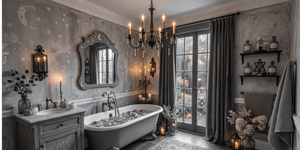
Examples include large chandeliers, sculptural pendant lights, oversized fixtures, and bold, artistic designs. These pieces are often decorative as much as they are functional. They are meant to be seen, admired, and remembered.
Minimal Fixtures
As we explored recently, minimal lighting is designed to blend into the space. Instead of standing out, it quietly supports the overall look of the room. This makes it ideal for clean, modern, or clutter-free designs.
It focuses on providing clean and subtle illumination. The goal is to light the space evenly without creating distractions. This helps maintain a calm and balanced atmosphere.
Minimal fixtures are meant to support the design without dominating it. They allow other elements—like furniture, textures, or architecture—to take center stage. This makes the space feel more cohesive and less overwhelming.
Examples include recessed lighting, simple flush mounts, slim linear pendants, and hidden LED strips. These options are often sleek and understated. They do their job effectively while staying almost invisible.
The Core Question: What Should Be the Star of the Room?
Every well-designed room has a focal point. This is the element that naturally draws attention and gives the space a sense of direction. Without it, a room can feel flat or confusing.
That focal point could be a statement light, fireplace, piece of art, kitchen island, or even a window view. Each of these can anchor the design depending on the purpose of the space. The key is choosing one main feature to highlight.
The biggest mistake homeowners make is trying to make everything the focal point. When too many elements compete for attention, the space can feel cluttered and overwhelming. Instead of looking stylish, it becomes visually tiring.
A better approach is to choose one star and let the rest support it. This creates balance, clarity, and a more polished overall look.
👉 Trying to make everything the focal point.
Statement Lighting: When Lighting Becomes the Star
Why Homeowners Love Statement Lighting
Statement lighting creates instant visual impact. The moment someone enters the room, their eyes are naturally drawn to the fixture. It sets the tone right away and makes the space feel more styled and intentional.
It also brings a sense of luxury. Large, bold fixtures often resemble those seen in hotels or designer homes. This elevates even a simple room into something more elegant and high-end.
Another key benefit is personality and character. Statement pieces reflect the homeowner’s taste and style, whether modern, classic, or artistic. It makes the space feel more unique and less generic.
Where Statement Lighting Works Best
1. Dining Rooms
As outlined in a previous discussion, a chandelier over a dining table helps anchor the space. It visually connects the table and seating area, making it feel complete. It also creates a more intimate atmosphere, perfect for gatherings and meals.
2. Entryways
First impressions matter, and lighting plays a big role in that. A statement fixture in an entryway immediately sets the tone for the home. It makes the space feel welcoming while adding architectural interest.
3. Living Rooms
In rooms with high ceilings, statement lighting helps fill vertical space. Without it, the room may feel empty or unbalanced. A bold fixture adds structure and creates a strong central feature.
4. Bedrooms (Modern Trend)
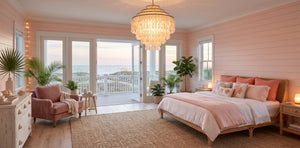
Many homeowners now use bold lighting in bedrooms to create a luxury hotel feel. Oversized pendants or chandeliers add drama and elegance. This transforms the bedroom into a more relaxing and stylish retreat.
Advantages of Statement Lighting
1. Instant “Wow” Factor
A single fixture can completely change how a room feels. It adds drama and makes the space more memorable. Even simple interiors can look high-end with the right lighting.
2. Defines the Space
This is especially useful in open-concept homes. A statement light helps separate areas like dining and living without walls. It gives structure and clarity to the layout.
3. Adds Personality
Statement lighting reflects your style and preferences. Whether bold, classic, or modern, it becomes a design signature. It makes your home feel more personal and curated.
4. Reduces Need for Extra Décor
Because the fixture is already eye-catching, you don’t need to add too many decorations. This can simplify your design process. It also helps avoid clutter.
Downsides of Statement Lighting
1. Can Overwhelm Small Spaces
If the fixture is too large, it can dominate the room. This makes the space feel crowded or heavy. Proper sizing is very important.
2. More Expensive
Statement pieces are often more detailed and higher quality. Because of this, they usually cost more than simple fixtures. It can increase your overall budget.
3. Harder to Change Later
Once installed, it becomes a key feature of the room. Changing it may require redesigning other elements. This makes it less flexible over time.
4. Can Go Out of Style
Trendy designs may not age well. What looks modern today might feel outdated later. This is something to consider for long-term design.
Minimal Fixtures: The Power of Subtle Design
Why Homeowners Choose Minimal Lighting
Minimal lighting creates a clean, modern look. It removes visual distractions and keeps the space simple. This makes the room feel more organized and polished.
It also offers flexibility in design. Since the lighting is not the focus, you can easily change furniture or décor. This makes it easier to update your space over time.
Another benefit is a calm, uncluttered feel. Without bold fixtures, the room feels more open and relaxing. It allows other design elements to stand out naturally.
Where Minimal Fixtures Work Best
1. Kitchens
Recessed lighting keeps the focus on important elements like cabinetry and countertops. It supports the function of the space without distraction. This is ideal for both cooking and design.
2. Bathrooms
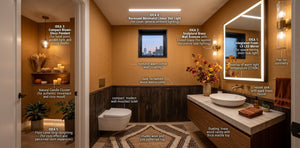
Clean lighting enhances mirrors, tiles, and finishes. It helps highlight details without overpowering them. This creates a fresh and balanced look.
3. Low-Ceiling Rooms
Minimal fixtures prevent the space from feeling crowded. Bulky lights can make ceilings feel even lower. Simple designs keep the room open and comfortable.
4. Modern and Minimalist Homes
Less visual noise creates more impact. Minimal lighting fits perfectly with clean and simple interiors. It supports the overall design without competing with it.
Advantages of Minimal Lighting
1. Timeless Appeal
Simple designs don’t go out of style easily. They remain relevant even as trends change. This makes them a safe long-term choice.
2. Makes Spaces Feel Larger
Less visual clutter creates a sense of openness. The room feels bigger and more breathable. This is especially helpful in smaller homes.
3. Flexible Design Changes
Since lighting is subtle, you can update other elements freely. You can change furniture, colors, or décor without conflict. This gives you more design freedom.
4. Even Lighting Distribution
Minimal lighting, especially recessed lights, spreads light evenly. This improves visibility and function. It creates a balanced and well-lit space.
As evidenced by Metropolitan Electrical Contractors, installing recessed lights creates a clean, uncluttered look that helps a space feel bigger and more open. This approach not only gives rooms a timeless appeal but also allows for flexible design changes, making it easier to update furniture or décor without clashing with bold fixtures. Additionally, minimal lighting—especially recessed setups—provides more even light distribution, enhancing overall comfort and usability.


Downsides of Minimal Lighting
1. Can Feel Boring
When minimal lighting is overused, a space can start to feel plain or uninspired. Without a standout element, the room may lack visual excitement. This can make the design feel incomplete or too simple.
2. No Clear Focal Point
Minimal lighting doesn’t naturally draw attention. Because of this, the room may feel flat or lacking direction. Without a focal point, the space can become less memorable and less engaging.
3. Requires Strong Supporting Design
Since the lighting stays in the background, other elements need to stand out more. Furniture, textures, colors, and layout must carry the visual interest. If these are not well-designed, the space can feel dull.
Statement vs Minimal: Which Looks Better?
The honest answer is: it depends on what else is in your room. Lighting should always work with the overall design, not compete with it. The goal is to create balance, not overload the space.
Scenario 1: Simple Room
A simple room usually has neutral colors, minimal furniture, and a clean layout. While this creates a calm and open feel, it can sometimes look empty. This is where statement lighting works best.
A bold fixture adds interest and becomes the focal point. It brings life to the space without needing extra décor. This helps the room feel more complete and visually appealing.
Scenario 2: Busy Room
A busy room includes patterned rugs, bold furniture, artwork, and mixed materials. These elements already create strong visual interest. Adding statement lighting on top of this can make the space feel overwhelming.
Minimal lighting works best in this case. It balances the design by providing subtle illumination without adding more visual weight. This keeps the room from feeling cluttered.
The Golden Rule: One Star Per Room
Every room should have one main focal point. This helps guide the eye and creates a clear design direction. Without it, the space can feel confusing or unbalanced.
If your focal point is lighting, keep everything else simple so it can shine. If your focal point is furniture or décor, then lighting should stay minimal. If your space highlights architecture, lighting should support it rather than compete.
Mixing Both: The Best Modern Approach
Most well-designed homes use a combination of statement and minimal lighting. This approach creates balance and allows different areas to serve different purposes. It also helps avoid both extremes—too plain or too overwhelming.
For example, in an open-concept living area, you might use a statement chandelier over the dining table, minimal recessed lighting in the living area, and simple pendants in the kitchen. This setup creates visual hierarchy, balance, and clear zones. It makes the space feel organized, stylish, and intentional.
Cost Comparison
Statement Lighting
- Higher upfront cost
- fewer fixtures needed
- strong design impact
Minimal Fixtures
- lower cost per fixture
- more fixtures required
- cost adds up depending on layout
Statement lighting, such as chandeliers, usually comes with a higher upfront cost due to their larger size, intricate design, and premium materials. As stated by Risen, fewer fixtures are typically needed because of their strong visual impact, making them an investment piece. Minimal fixtures like pendants cost less individually but may require more units to achieve sufficient illumination, which can add up depending on the room layout.
Maintenance
Statement Fixtures
- more intricate
- require careful cleaning
- dust can collect
Minimal Fixtures
- easier to maintain
- less visible dust
- fewer cleaning concerns
Statement fixtures like chandeliers and multi-arm designs can be visually stunning, but their intricate construction often makes cleaning more demanding. As noted by Industry Standard Design, ornate fixtures require more effort to remove dust and debris due to multiple bulbs and detailed components. In contrast, pendant lights and other minimalist fixtures are easier to maintain, with clean lines and fewer parts that can be quickly dusted or wiped down, offering a low maintenance lighting option for busy households.
Ceiling Height Matters
High Ceilings
👉 Statement lighting thrives. It fills vertical space beautifully.
Low Ceilings
👉 Minimal lighting works better. It avoids crowding and keeps the room open.
Which One Adds More Value to Your Home?
Statement Lighting:
- adds perceived luxury
- creates memorable spaces
- strong visual impact
Minimal Lighting:
- appeals to modern buyers
- feels clean and updated
- works with many styles
Which One Ages Better?
Statement Lighting
- classic styles → timeless
- trendy designs → may date
Minimal Fixtures
- consistently timeless
- less likely to feel outdated
Who Should Choose Statement Lighting?
Choose statement lighting if you:
- want a focal point
- love bold design
- have high ceilings
- prefer fewer decorative elements
- want a luxury feel
Who Should Choose Minimal Fixtures?
Choose minimal lighting if you:
- prefer clean, modern spaces
- have low ceilings
- want flexibility
- already have strong décor
- dislike visual clutter
Common Mistakes to Avoid
1. Too Many Statement Pieces
Using too many bold fixtures in one space can create visual chaos instead of a clear focal point. When everything is trying to stand out, nothing truly does. This makes the room feel overwhelming and unbalanced.
2. Going Too Minimal Everywhere
While minimal lighting creates a clean look, overdoing it can make a space feel dull and forgettable. Without any standout element, the room may lack personality and visual interest. Balance is key to keeping the space engaging.
3. Ignoring Scale
Choosing the wrong size fixture can disrupt the entire design. Oversized lighting can overwhelm the room, while fixtures that are too small may go unnoticed. Proper scale ensures the lighting fits naturally within the space.
4. Poor Placement
Even the most beautiful fixture won’t work if it’s placed incorrectly. Bad placement can affect both function and visual balance. Proper positioning ensures the lighting enhances the room instead of working against it.
Quick Decision Guide
Ask yourself:
- What do I want people to notice first?
- Is my room already visually busy?
- Do I want bold or subtle?
- How high are my ceilings?
- Do I plan to redesign often?
Choose Statement Lighting if you want:
- a bold focal point
- personality and drama
- a design centerpiece
Choose Minimal Fixtures if you want:
- a clean, modern look
- flexibility
- timeless simplicity
The Best Answer?
👉 Use both—strategically.
Let one element shine. Let others support.
Great design isn’t about choosing the most eye-catching option.
It’s about choosing the right balance.
Because the best homes don’t compete for attention—they guide it.
So whether you go bold with statement lighting or keep it clean with minimal fixtures, make sure your choice answers one simple question:
👉 What do I want this room to say?
Because when lighting is done right, your home doesn’t just look better—it feels right.
FAQs: Statement Lighting vs Minimal Fixtures — What Should Be Your Home’s Focal Point?
1) What is the difference between statement lighting and minimal lighting fixtures?
The main difference is visibility and purpose. Statement lighting fixtures for focal point design are bold and decorative, meant to stand out, while minimal lighting fixtures for modern interiors are subtle and designed to blend into the background while providing functional light.
2) Is statement lighting better for small or large rooms?
Statement lighting works best in large rooms with high ceilings for statement chandeliers or oversized fixtures, where it has space to shine. In smaller rooms, oversized statement lights can feel overwhelming, making minimal fixtures a better choice.
3) Can I mix statement lighting and minimal fixtures in one space?
Yes, and it’s often ideal. A combination of statement lighting and minimal fixtures in open-concept homes helps define zones—for example, a chandelier over the dining table paired with recessed lighting in the living area.
4) Which lighting style is more timeless: statement or minimal?
Minimal lighting fixtures for timeless home design tend to age better because they are simple and adaptable. Statement lighting can also be timeless if you choose classic designs, but trendy pieces may feel dated over time.
5) How do I choose the right focal point for my room lighting design?
Start by identifying what should stand out. If your room has simple décor, statement lighting as a focal point in modern interiors works well. If your room already has bold furniture or artwork, minimal lighting for balanced interior design helps avoid visual clutter.
Ready to Elevate Your Space?
Whether you want bold statement pieces or sleek minimal designs, Urban Ambiance offers luxury yet affordable lighting fixtures that help you create the perfect focal point in any room.
✨ Elevate your home with Urban Ambiance lighting—where standout design meets everyday value.
Engagement Question
When designing your space, do you prefer bold statement lighting that stands out or minimal fixtures that blend in?