Pendant Lights or Chandeliers: Which Fixture Truly Fits Your Space Best?
As we detailed earlier, lighting is one of the most powerful design tools in any home, yet it is often misunderstood and overlooked. Many people think of lighting as purely functional—something that simply brightens a room so you can see clearly. However, in modern interior design, lighting plays a much bigger role than that. It doesn’t just illuminate a space; it helps set the mood, highlight key features, and bring the entire design together. In many ways, lighting shapes the overall identity and feel of your home.
Because of this, one of the most important design decisions homeowners face today is choosing the right type of lighting. Should you go with statement lighting that immediately catches attention, or minimal fixtures that quietly support the space? This choice goes beyond style—it affects how your home looks, feels, and functions. In the end, it comes down to this: do you want your lighting to stand out as a centerpiece, or blend seamlessly into the background?
Pendant lights and chandeliers.
Both can be stunning. Both can elevate your home. But they serve very different purposes—and choosing the wrong one can throw off your entire space.
So how do you decide?
This guide breaks down the real differences between pendant lights vs chandeliers, including style, function, room size, ceiling height, installation, and long-term design impact—so you can confidently choose the fixture that fits your space best.
As noted in our last blog, pendant lights and chandeliers are both popular ceiling fixtures, but they serve different purposes in a space. Pendant lights are typically single-hanging fixtures that provide focused, task-oriented lighting, making them ideal for kitchens, work areas, and smaller zones. Chandeliers, on the other hand, feature multiple light sources and are designed to create a visual statement while providing ambient illumination. While pendants offer flexibility and a more subtle look, chandeliers bring drama and act as a central focal point. Choosing between them depends on whether your space needs functional lighting, decorative impact, or a balance of both.
Pendant Lights — Where They’re Used
- Kitchens (over islands) – Provide focused lighting for cooking and prep work.
- Dining areas – Create a cozy, intimate glow over smaller tables.
- Entryways – Offer a simple, welcoming light without overwhelming the space.
- Bathrooms – Work well for task lighting, especially near mirrors.
- Task lighting zones – Deliver direct illumination for reading, working, or hobbies.
Chandeliers — Where They’re Used
- Dining rooms – Act as a centerpiece above the table, enhancing ambiance.
- Living rooms – Add elegance and visual interest to the main gathering space.
- Entryways – Create a dramatic first impression.
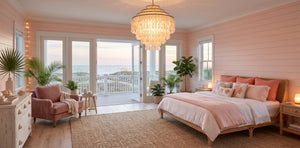
- Bedrooms (modern designs) – Introduce a touch of luxury and softness.
Core Difference
- Pendant lights = functional + focused – Designed for practical, targeted lighting.
- Chandeliers = decorative + dramatic – Meant to stand out and define the space.
Pendant Lights — Ideal Spaces
- Kitchen islands – Ensure clear visibility for daily tasks.
- Breakfast bars – Provide casual, focused lighting for quick meals.
- Small dining tables – Keep the look balanced without overpowering the space.
- Hallways – Offer subtle lighting in narrow areas.
- Bathrooms (vanity lighting) – Help with grooming and mirror visibility.
- Modern and minimalist spaces – Complement clean, uncluttered designs.
Chandeliers — Ideal Spaces
- Dining rooms – Serve as the visual anchor of the room.
- Living rooms – Elevate the overall style and atmosphere.
- Entryways – Add height and a striking focal point.
- Stairwells – Fill vertical space with visual impact.
- Bedrooms (luxury feel) – Create a refined, hotel-like ambiance.
- Open-concept spaces – Define areas and draw the eye upward.
Pendant Lights and Scale
- smaller individually – Each pendant is compact, making it easy to fit into tighter or more focused areas.
- used in multiples – They’re often grouped to provide enough light and create a cohesive look.
- spaced evenly – Proper spacing ensures visual balance and avoids a cluttered or uneven appearance.
Chandeliers and Scale
- larger – Chandeliers are designed to occupy more space and be visually prominent.
- more complex – Their multiple arms or layers add detail and dimension to a room.
- meant to fill vertical and horizontal space – They draw the eye both upward and outward, helping define the room’s proportions.
Pendant Lights and Low Ceilings
- they’re hung at the right height – Proper hanging height prevents obstruction and keeps the space comfortable.
- they’re scaled appropriately – Smaller or shorter pendants help maintain openness in low ceilings.
- they don’t obstruct movement – Placement should allow easy movement without bumping or visual crowding.
Chandeliers and Ceiling Height
- choose flush or semi-flush chandeliers – These styles stay closer to the ceiling, making them suitable for lower heights.
- avoid oversized or long-drop designs – Large or low-hanging fixtures can overwhelm the space and feel intrusive.
Pendant Lights: Clean and Modern
- minimal – Simple designs keep the look uncluttered and understated.
- sleek – Smooth lines and finishes create a polished, refined feel.
- contemporary – They align well with modern design trends and aesthetics.
- versatile – Available in many styles, they easily adapt to different interiors.
As highlighted by Journeyman HQ, modern pendant lights provide sophisticated aesthetic appeal and clean lines that traditional fixtures simply can’t match. Simple geometric shapes create visual interest without overwhelming your décor. They are ideal for above mentioned kitchens, adding a subtle focal point that enhances the overall design scheme and allowing other elements (like countertops or cabinetry) to shine.


Chandeliers: Bold and Elegant
Chandeliers feel:
- luxurious
- classic
- dramatic
- expressive
They can define the entire room’s personality.
Styles include:
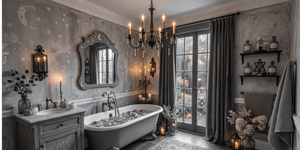
- crystal (traditional luxury)
- modern geometric
- rustic wood or iron
- minimalist contemporary
As outlined by LightLink Lighting, traditional crystal designs evoke timeless elegance, while contemporary options highlight clean lines, geometric forms, and sleek materials. Rustic chandeliers bring warmth and texture through wood and iron, adding a grounded, tactile element to a space. Choosing the right style can balance the room’s architecture, complement furniture, and reinforce the desired mood, making the chandelier both a functional and artistic focal point.
Pendant Lighting Function
- task lighting – Pendant lights are ideal for activities that require clear visibility and precision.
- focused illumination – They direct light downward, concentrating brightness exactly where it’s needed.
- workspace lighting – Perfect for areas where functionality is key, like kitchens or desks, ensuring efficiency and comfort.
Chandelier Lighting Function
- ambient lighting – Chandeliers distribute light across the room, creating an overall glow rather than a focused beam.
- overall room illumination – They help brighten the entire space evenly, especially in larger areas.
- decorative glow – Beyond lighting, they add warmth and visual interest, enhancing the room’s atmosphere.
Pendant Lights — Advantages
- easier to reposition – Individual pendants can be adjusted or replaced without major changes.
- flexible placement – They can be arranged to suit different layouts and lighting needs.
- can be added in multiples – You can scale the lighting by adding more fixtures as needed.
- works with various layouts – Suitable for both small and large spaces due to their adaptability.
Pendant Lights — Consideration
- requires planning for spacing and alignment – Proper placement is essential to achieve balance and avoid a cluttered look.
Chandeliers — Advantages
- single central installation – One fixture can illuminate and define the entire space.
- simpler wiring setup – Installation is often more straightforward since it connects to a single point.
Chandeliers — Considerations
- harder to reposition later – Moving a chandelier usually requires electrical adjustments.
- requires precise centering – Placement must be exact to maintain visual balance in the room.
- may need ceiling reinforcement (for heavy fixtures) – Larger chandeliers can require additional structural support for safety.
Pendant Lights — Cost
- lower cost per fixture – Individual pendants are generally more affordable upfront.
- total cost depends on quantity – Using multiple fixtures can increase the overall budget.
- budget-friendly options available – Wide price ranges make them accessible for most budgets.
- easy to mix and match styles – You can combine different designs without a large financial commitment.
Chandeliers — Cost
- higher upfront cost – Chandeliers typically require a bigger initial investment.
- premium materials increase price – Crystal, metal, and designer pieces can significantly raise costs.
- installation may cost more – Additional labor or support may be needed for proper setup.
- often considered an investment piece – They’re chosen not just for function, but for long-term style impact.
As touched upon in our recent writing, chandeliers tend to come with higher upfront costs compared to pendant lights, not only due to premium materials but also because of more complex installation requirements. As noted by Coloria Group, larger or heavier chandeliers may need ceiling reinforcement, and integrating them with smart home systems can add to both installation time and expense. Pendant lights, by contrast, are generally more budget-friendly, easier to install, and simpler to mix and match, making them a versatile choice for a range of spaces.
Maintenance and Cleaning
Pendant Lights
- Easier to clean individually – Since each pendant is a separate fixture, you can clean them one at a time without much effort. Their simpler shapes also make wiping or dusting quick and manageable. This is especially helpful for busy homeowners who want low-maintenance lighting.
- Less dust accumulation – With fewer details and flatter surfaces, pendants don’t trap as much dust compared to more complex fixtures. This means they stay cleaner for longer periods. As a result, they require less frequent deep cleaning.
- Simpler structure – Most pendant lights have minimal parts, making them easy to maintain and less prone to buildup. Fewer details also mean fewer hard-to-reach areas. This simplicity contributes to both convenience and durability over time.
Chandeliers
- More intricate – Chandeliers often feature multiple arms, crystals, or decorative elements that add complexity. While visually stunning, these details require more attention during cleaning. The intricate design makes maintenance more time-consuming.
- Requires careful cleaning – Cleaning a chandelier usually involves delicate handling to avoid damaging components. Materials like glass or crystal need gentle cleaning methods to maintain their shine. This often means more effort compared to simpler fixtures.
- Dust and debris can collect on arms and crystals – The multiple surfaces and details create more areas where dust can settle. Over time, this buildup can dull the fixture’s appearance if not maintained. Regular cleaning is necessary to keep it looking its best.
Visual Weight: How It Affects Your Space
Pendant Lights
- Lightweight visually – Pendant lights have a subtle presence that doesn’t dominate the room. Their streamlined design allows them to blend seamlessly into the overall aesthetic. This makes them ideal for spaces where you want lighting without visual heaviness.
- Don’t overwhelm the room – Because of their size and simplicity, pendants maintain balance within the space. Even when used in multiples, they can feel organized rather than overpowering. This helps preserve a clean and uncluttered look.
- Great for open and airy designs – Their minimal visual impact complements spaces that emphasize openness and light. Pendant lights enhance rather than compete with architectural features. This makes them perfect for modern and spacious interiors.
Chandeliers
- Heavy visual presence – Chandeliers naturally draw attention due to their size and design. They become a central visual element that anchors the room. This strong presence can define the entire space’s style.
- Creates a focal point – A chandelier is often the first thing people notice when entering a room. It helps establish hierarchy by guiding the eye to a specific area. This makes it ideal for rooms that need a standout feature.
- Can make a room feel more formal or dramatic – The design and scale of chandeliers add a sense of elegance and sophistication. They can instantly elevate a room’s atmosphere. Depending on the style, they can also introduce a bold or luxurious feel.
Mixing Pendant Lights and Chandeliers
Here’s something many homeowners don’t realize:
You don’t have to choose just one.
In open-concept homes, it’s common to use:
- Pendant lights over the kitchen island – This provides focused task lighting where it’s most needed while maintaining a clean, functional look. It helps define the kitchen zone without adding visual clutter. At the same time, it supports everyday activities like cooking and prepping.
- A chandelier over the dining table – This creates a strong focal point and enhances the dining area’s ambiance. It visually anchors the space and adds a layer of sophistication. It also helps distinguish the dining zone from the rest of the open layout.
This creates:
- layered lighting – Combining both fixtures allows for multiple light sources that serve different purposes. This improves both functionality and atmosphere. It also adds depth to the overall lighting design.
- visual separation of spaces – Different fixtures help define distinct areas without the need for walls. This is especially useful in open-concept layouts. It creates a sense of organization while maintaining flow.
- cohesive design when styles match – When the styles of both fixtures complement each other, the space feels unified. This ensures that the lighting enhances the design rather than competing within it. A well-coordinated look ties the entire room together.
Common Mistakes to Avoid
1. Choosing the Wrong Size
- Too small = underwhelming
- Too big = overpowering
2. Hanging Fixtures at the Wrong Height
- Too low = obstructive
- Too high = ineffective lighting
3. Ignoring Room Function
- Task areas need focused light
- Social areas need ambient light
4. Mixing Styles Poorly
Modern pendants + traditional chandelier = mismatch (unless intentional)
5. Over-lighting or Under-lighting
Balance is key—use layers.
Which Should You Choose?
Choose Pendant Lights if you want:
- functional, focused lighting
- a modern or minimalist look
- flexibility in layout
- lighting for specific tasks
- a clean, uncluttered design
Choose a Chandelier if you want:
- a statement piece
- elegant, dramatic design
- centralized lighting
- a focal point in the room
- a more traditional or luxurious feel
Ask yourself:
- Is this space for work or ambiance?
- Do I want the light to stand out or blend in?
- How high is my ceiling?
- How big is my space?
- Do I need multiple light sources or one focal point?
So…
There’s no universal “better” choice between pendant lights and chandeliers.
The right answer depends on:
- your space
- your ceiling height
- your lighting needs
- your design style
In most homes:
- Pendant lights win for kitchens and functional spaces
- Chandeliers win for dining rooms and statement areas
But the best-designed homes use both—strategically.
THEREFORE..
Lighting isn’t just about brightness—it’s about experience.
The right fixture doesn’t just light your space.
It defines how the space feels, how it functions, and how it’s remembered.
So, whether you go with sleek pendant lights or a bold chandelier, make sure it fits your space—not just your inspiration board.
FAQs: Pendant Lights vs Chandeliers — Which Fixture Fits Your Space Best?
1) Are pendant lights or chandeliers better for small spaces?
For compact areas, pendant lights for small kitchens or dining spaces are usually the better choice because they are more compact and can be spaced strategically. Chandeliers can work in small rooms too, but only if you choose a properly scaled or flush-mount design.
2) Can I use pendant lights instead of a chandelier over a dining table?
Yes. Many homeowners choose multiple pendant lights over a dining table instead of a chandelier for a modern, minimalist look. The key is proper spacing and height to ensure even lighting and visual balance.
3) Which lighting fixture provides better brightness: pendant or chandelier?
A chandelier for ambient lighting in living or dining rooms typically provides broader illumination, while pendant lights for task lighting in kitchens offer more focused light. The best choice depends on whether you need general lighting or targeted brightness.
4) How do I choose the right size chandelier or pendant lights for my room?
For chandeliers, use a chandelier size guide based on room dimensions (add room length + width in feet = fixture diameter in inches). For pendants, choose sizes and spacing that match the surface below, such as evenly spacing pendant lights over a kitchen island for balanced lighting.
5) Can you mix pendant lights and chandeliers in the same space?
Yes, especially in open layouts. A combination of pendant lights and chandeliers in open-concept homes creates layered lighting and defines different zones (e.g., pendants over the island and a chandelier over the dining area) while maintaining a cohesive style.
Ready to Upgrade Your Lighting?
Whether you’re drawn to sleek pendant lights or elegant chandeliers, Urban Ambiance offers luxury yet affordable lighting fixtures designed to elevate any space with style and functionality.
✨ Discover Urban Ambiance lighting—where high-end design meets everyday affordability.
If you had to choose for your home, would you go with modern pendant lights or a statement chandelier—and what space would you use it in?