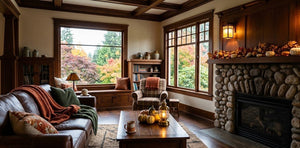
Kitchen Lighting Ideas for a Warm Fall Glow in Pacific Northwest and Mountain West Homes
As the days grow shorter and temperatures begin to drop, homeowners across the Pacific Northwest and Mountain West naturally spend more time indoors. Whether you're enjoying a rainy autumn afternoon in Seattle, watching colorful leaves fall in Portland, or preparing for snowy evenings in Denver, Boise, or Salt Lake City, lighting becomes one of the most important elements of a comfortable home.
Nowhere is this more noticeable than in the kitchen.
The kitchen is where families gather for hearty meals, holiday baking, morning coffee, and casual conversations. During fall, it often becomes the emotional center of the home.
Creating a warm, inviting kitchen doesn't always require a major renovation. In many cases, the right lighting can completely transform the atmosphere.
From layered lighting and warm color temperatures to trending fixture styles and seasonal design tips, here's how to create a cozy fall glow in Pacific Northwest and Mountain West kitchens.
Pacific Northwest and Mountain West homes can experience long periods of gray skies and early sunsets. According to the National Oceanic and Atmospheric Administration (NOAA), seasonal changes in the Earth's tilt affect the amount of daylight received throughout the year, resulting in shorter days during fall and winter, which helps explain these regional lighting conditions.
As noted in our last blog, kitchen lighting plays a much bigger role than simply helping you see what you're cooking. It can influence the mood of the entire home, make everyday tasks more comfortable, and even change how spacious, inviting, or polished the kitchen feels.
A thoughtfully lit kitchen can create a natural transition from busy daytime activities to relaxed fall evenings. Whether you're preparing dinner, enjoying coffee in the morning, entertaining guests, or gathering around the island with family, the right lighting helps the space feel appropriate for the moment.
A well-lit kitchen feels:
- Warm – Soft, well-positioned lighting can introduce warmth and make hard surfaces like stone, tile, and cabinetry feel more inviting.
- Welcoming – A combination of overhead and accent lighting creates a more approachable atmosphere, making people naturally want to gather in the space.
- Comfortable – Balanced illumination reduces harsh shadows and overly bright areas, making cooking, dining, and everyday activities easier on the eyes.
- Inviting – Thoughtful lighting can turn the kitchen into more than a workspace—it can become a cozy destination where people naturally spend time.
Poor lighting, on the other hand, can make the exact same kitchen feel:
- Cold – Excessively bright or cool-toned lighting can remove some of the warmth that makes a kitchen feel comfortable.
- Dim – Insufficient lighting can create dark work surfaces and corners, making everyday tasks more difficult.
- Uninspiring – Even beautiful cabinets, countertops, and finishes can lose their impact when they aren't properly illuminated.
- Smaller than it actually is – Dark corners and uneven illumination can visually close in a room, making the kitchen feel more confined.
The Fall Lighting Philosophy: Warm, Layered, and Comfortable
As the days become shorter and evenings arrive earlier, kitchen lighting becomes even more important. As touched upon in our recent writing, fall is the season when many homeowners naturally spend more time indoors, making the kitchen a central gathering point for cooking, entertaining, and relaxing.
One of the biggest lighting mistakes homeowners make is relying solely on bright overhead fixtures. While overhead lighting is important for general visibility, using it as the only source can make a kitchen feel overly bright, flat, or harsh—especially once the sun goes down.
Fall lighting should feel different.
Instead of simply maximizing brightness, the goal is to create a kitchen that feels intentional, warm, and layered. You want enough illumination to comfortably prepare food and move around the space, while also having softer sources that create a relaxed atmosphere when the main tasks are finished.
The goal is creating:
- Depth – Multiple light sources at different heights prevent the room from looking flat and help highlight architectural and design details.
- Warmth – Warmer light can complement wood cabinetry, natural stone, brass hardware, and other materials commonly used in cozy fall interiors.
- Ambiance – Accent and decorative lighting allow you to create a softer atmosphere when bright task lighting is no longer necessary.
- Comfort – The ability to adjust lighting throughout the evening makes the kitchen feel less like a workspace and more like a comfortable gathering area.
The best fall kitchens combine multiple layers of light rather than depending on a single source. Think of recessed lighting for general illumination, under-cabinet lighting for food preparation, and pendants or decorative fixtures for visual warmth.
The result is a kitchen that can change with the rhythm of the day—bright and functional when you're cooking, warm and welcoming when you're entertaining, and soft and comfortable when the evening winds down.
Start with Warm Color Temperatures
The easiest way to create a cozy fall atmosphere is by choosing the right bulb temperature.
Color temperature is measured in Kelvin (K). Warm lighting, often characterized by soft yellow or orange hues, is associated with feelings of comfort, relaxation, and intimacy. It is frequently used in spaces like bedrooms, living rooms, and cozy restaurants to create a welcoming and soothing ambiance.
As described in The Psychology of Light: How Different Lighting Impacts Our Emotions, warm light helps promote relaxation and reduce stress by mimicking the calming glow of sunset, while also enhancing mood and encouraging a more inviting atmosphere.
As noted in our last blog, kitchen lighting plays a much bigger role than simply helping you see what you're cooking. It can influence the mood of the entire home, make everyday tasks more comfortable, and even change how spacious, inviting, or polished the kitchen feels.
A thoughtfully lit kitchen can create a natural transition from busy daytime activities to relaxed fall evenings. Whether you're preparing dinner, enjoying coffee in the morning, entertaining guests, or gathering around the island with family, the right lighting helps the space feel appropriate for the moment.
A well-lit kitchen feels:
- Warm – Soft, well-positioned lighting can introduce warmth and make hard surfaces like stone, tile, and cabinetry feel more inviting.
- Welcoming – A combination of overhead and accent lighting creates a more approachable atmosphere, making people naturally want to gather in the space.
- Comfortable – Balanced illumination reduces harsh shadows and overly bright areas, making cooking, dining, and everyday activities easier on the eyes.
- Inviting – Thoughtful lighting can turn the kitchen into more than a workspace—it can become a cozy destination where people naturally spend time.
Poor lighting, on the other hand, can make the exact same kitchen feel:
- Cold – Excessively bright or cool-toned lighting can remove some of the warmth that makes a kitchen feel comfortable.
- Dim – Insufficient lighting can create dark work surfaces and corners, making everyday tasks more difficult.
- Uninspiring – Even beautiful cabinets, countertops, and finishes can lose their impact when they aren't properly illuminated.
- Smaller than it actually is – Dark corners and uneven illumination can visually close in a room, making the kitchen feel more confined.
The Fall Lighting Philosophy: Warm, Layered, and Comfortable
As the days become shorter and evenings arrive earlier, kitchen lighting becomes even more important. As touched upon in our recent writing, fall is the season when many homeowners naturally spend more time indoors, making the kitchen a central gathering point for cooking, entertaining, and relaxing.
One of the biggest lighting mistakes homeowners make is relying solely on bright overhead fixtures. While overhead lighting is important for general visibility, using it as the only source can make a kitchen feel overly bright, flat, or harsh—especially once the sun goes down.
Fall lighting should feel different.
Instead of simply maximizing brightness, the goal is to create a kitchen that feels intentional, warm, and layered. You want enough illumination to comfortably prepare food and move around the space, while also having softer sources that create a relaxed atmosphere when the main tasks are finished.
The goal is creating:
- Depth – Multiple light sources at different heights prevent the room from looking flat and help highlight architectural and design details.
- Warmth – Warmer light can complement wood cabinetry, natural stone, brass hardware, and other materials commonly used in cozy fall interiors.
- Ambiance – Accent and decorative lighting allow you to create a softer atmosphere when bright task lighting is no longer necessary.
- Comfort – The ability to adjust lighting throughout the evening makes the kitchen feel less like a workspace and more like a comfortable gathering area.
The best fall kitchens combine multiple layers of light rather than depending on a single source. Think of recessed lighting for general illumination, under-cabinet lighting for food preparation, and pendants or decorative fixtures for visual warmth.
The result is a kitchen that can change with the rhythm of the day—bright and functional when you're cooking, warm and welcoming when you're entertaining, and soft and comfortable when the evening winds down.
Start with Warm Color Temperatures
The easiest way to create a cozy fall atmosphere is by choosing the right bulb temperature.
Color temperature is measured in Kelvin (K). Warm lighting, often characterized by soft yellow or orange hues, is associated with feelings of comfort, relaxation, and intimacy. It is frequently used in spaces like bedrooms, living rooms, and cozy restaurants to create a welcoming and soothing ambiance.
As described in The Psychology of Light: How Different Lighting Impacts Our Emotions, warm light helps promote relaxation and reduce stress by mimicking the calming glow of sunset, while also enhancing mood and encouraging a more inviting atmosphere.
Why Fall Lighting Matters More in Northern and Mountain Regions
Homeowners in the Pacific Northwest and Mountain West experience fall and winter in a very different way than those living in warmer, sunnier parts of the country. As the seasons change, the amount, quality, and timing of natural daylight can shift dramatically, making artificial lighting a much more important part of everyday home life.
During fall and winter:
- Daylight hours become shorter – The sun sets earlier, which means kitchens, living rooms, and other frequently used spaces often need artificial lighting much sooner in the day.
- Cloud cover increases – Overcast skies can make daytime interiors feel darker and flatter, even when it's technically still daylight outside.
- Natural light decreases – Reduced sunlight can affect how bright a room feels and how colors, finishes, and materials appear throughout the day.
- Homes rely more heavily on artificial lighting – With less natural illumination available, homeowners spend more hours using ceiling fixtures, pendants, lamps, recessed lights, and accent lighting.
This makes lighting more than a decorative detail. It becomes an essential part of creating a comfortable home environment during the darker months.
Cities and communities such as:
- Seattle – Known for long stretches of overcast weather, making warm and layered interior lighting especially valuable during darker days.
- Portland – Fall weather and earlier sunsets can make kitchens and living spaces feel noticeably darker by late afternoon.
- Spokane – Colder, shorter days make functional and comfortable indoor lighting increasingly important as the season progresses.
- Boise – Homes can benefit from lighting that balances bright daytime functionality with warmer evening ambiance.
- Denver – Although Denver receives abundant sunshine, shorter winter days and early sunsets still create a greater need for effective evening lighting.
- Salt Lake City – Seasonal changes and mountain surroundings can create significant differences in natural illumination throughout the year.
- Missoula – With shorter daylight hours and a strong connection to mountain-inspired interiors, warm, layered lighting can help create a particularly inviting atmosphere.
The Key Is Not Simply Adding More Light
When natural daylight decreases, the instinct may be to make everything brighter. But maximum brightness doesn't necessarily create the most comfortable home.
Instead, homeowners can use lighting strategically by combining:
- Ambient lighting for overall visibility
- Task lighting for cooking, reading, and detailed activities
- Accent lighting for warmth and visual interest
- Dimmable fixtures for greater control
- Warm LED bulbs for comfortable evening illumination
This approach allows the lighting to change with the season and throughout the day. A kitchen might need brighter illumination at 4 p.m. while dinner is being prepared, but a much softer glow may be preferable later in the evening when family and guests are gathered around the island.
Ultimately, fall lighting is about responding to the environment outside your windows. When the days become darker, your home's lighting can compensate—not by making every room brighter, but by making every source of light more intentional, comfortable, and inviting.


Neutral White (3500K–4000K)
As addressed in our prior post, neutral white lighting is a useful middle ground when you need a kitchen to remain bright and functional while still maintaining some warmth.
It can feel:
- Bright – Helpful for food preparation and detailed tasks.
- Modern – Creates a cleaner, more contemporary appearance.
- Clean – Particularly useful in areas where accurate visibility and a crisp appearance are important.
Neutral white works best when used selectively rather than throughout the entire kitchen. For example, it can be effective over work surfaces or in areas where detailed tasks are performed, while warmer lighting can be used for pendants, under-cabinet lighting, and decorative fixtures.
This combination allows you to have the functionality of brighter task lighting without losing the cozy atmosphere of a fall kitchen.
Avoid Harsh Cool White Lighting
Bulbs in the 5000K+ range can create a much cooler, sharper appearance. While this type of lighting can be appropriate for garages, workshops, utility spaces, or certain commercial environments, it isn't always the best fit for a cozy residential kitchen.
During fall—especially on dark mornings and early evenings—very cool lighting can make kitchens feel:
- Sterile – The space may begin to feel more like a workplace than a comfortable gathering area.
- Cold – Cool light can visually reduce the warmth of wood, brass, and earthy finishes.
- Uninviting – The crisp brightness can work against the relaxed atmosphere many homeowners want during the fall season.
This doesn't mean cool lighting is automatically bad. The key is where and when you use it. In a kitchen, warmer lighting is generally better suited to evening ambiance, while slightly cooler or neutral lighting can be reserved for areas where visibility is the priority.
Layered Lighting: The Secret to a Cozy Kitchen
One of the biggest differences between an ordinary kitchen and a beautifully designed kitchen is often how the lighting is layered.
Instead of relying on one central fixture to illuminate everything, designers increasingly combine several types of lighting. Each layer serves a different purpose, allowing the kitchen to transition from a bright workspace during the day to a warm gathering space at night.
The three key layers include:
Ambient Lighting
Ambient lighting provides the general illumination throughout the room. It's the foundation of the kitchen's lighting plan and allows you to comfortably move through the space.
Examples include:
- Recessed lighting – Provides clean, evenly distributed illumination while keeping the ceiling visually streamlined.
- Flush mount fixtures – A practical choice for kitchens with lower ceilings or smaller layouts.
- Ceiling-mounted fixtures – Can provide both functional lighting and a decorative focal point.
Ambient lighting should provide enough brightness for general activities without being so intense that it becomes the only lighting you use at night.
Task Lighting
Task lighting provides focused illumination exactly where work takes place. This is particularly important in kitchens because food preparation requires good visibility.
Examples include:
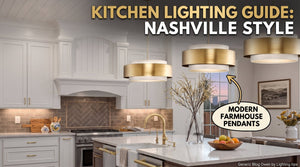
- Pendant lights – Especially useful above islands and counters where cooking, chopping, serving, or dining takes place.
- Under-cabinet lighting – Illuminates countertops and reduces shadows created by upper cabinets.
- Directional fixtures – Allow you to aim light toward specific work areas.
Task lighting improves both function and safety, making it easier to see ingredients, prepare food, read recipes, and clean surfaces.
Accent Lighting
Accent lighting is where the atmosphere really begins to develop. It isn't necessarily about providing the most light—it is about adding depth, warmth, and visual interest.
Examples include:
- Cabinet lighting – Highlights cabinetry and architectural details.
- Open-shelf lighting – Draws attention to dishes, décor, artwork, or collectibles.
- Decorative sconces – Add character while creating a softer layer of illumination.
This is often the layer responsible for creating that coveted fall glow. When the main lights are dimmed or switched off, accent lighting can keep the kitchen feeling warm and inviting.
Pendant Lights: The Fall Focal Point
Pendant lighting remains one of the most impactful ways to upgrade a kitchen without completely changing the space.
Because kitchen islands often serve as both work surfaces and gathering areas, pendant lights have the opportunity to provide useful task lighting while also becoming an important design feature.
In Pacific Northwest and Mountain West-inspired homes, several pendant styles work particularly well for fall interiors.
Warm Brass Pendants
Warm brass pendants are especially effective in autumn-inspired kitchens because the finish naturally complements warmer lighting.
Brass reflects and interacts beautifully with warm illumination, creating a subtle glow that can make the entire kitchen feel richer.
It pairs particularly well with:
- Walnut cabinetry – The combination creates a warm, sophisticated appearance.
- White oak – Brass adds contrast while maintaining the natural character of the wood.
- Warm neutrals – Cream, beige, taupe, and earthy tones create a cohesive palette.
For 2026 interiors, warm metal finishes continue to be a strong option for homeowners looking to create a kitchen that feels both current and timeless.
Textured Glass Pendants
Fall lighting should feel soft rather than harsh, and textured glass is particularly effective at achieving that look.
Textured glass can:
- Diffuse light – Helps soften the brightness and reduce glare.
- Add character – The texture becomes a decorative element even when the light is switched off.
- Create warmth – Diffused illumination produces a softer, more comfortable atmosphere.
Popular options include:
- Ribbed glass – Adds subtle texture and a refined contemporary appearance.
- Frosted glass – Creates soft, diffused illumination.
- Seeded glass – Introduces visual texture and a slightly more organic, traditional character.
These materials work especially well when paired with warm LED bulbs.
Organic Modern Fixtures
Organic modern lighting continues to be a strong direction for homeowners who want a space that feels sophisticated without becoming overly formal.
This style combines clean modern design with natural shapes and materials.
Features include:
- Soft curves – Rounded silhouettes help soften the harder lines found in cabinetry and countertops.
- Natural materials – Wood, woven materials, glass, and warm metals introduce texture.
- Sculptural shapes – Fixtures can function almost like artwork, adding personality to the kitchen.
These fixtures are particularly effective in cozy autumn interiors because they add visual warmth without relying exclusively on traditional or rustic design.
Under-Cabinet Lighting: The Most Underrated Upgrade
Few kitchen lighting improvements provide as much practical and visual impact as under-cabinet lighting.
It's easy to overlook because the fixtures themselves may be hidden, but the effect they create can completely change the appearance of a kitchen after sunset.
Benefits include:
- Better task visibility – Countertops become easier to see when preparing food or completing detailed tasks.
- Reduced countertop shadows – Light from above can be blocked by upper cabinets, while under-cabinet fixtures illuminate the work surface directly.
- Enhanced ambiance – When the main lights are turned down, the soft glow creates a warm evening atmosphere.
- Luxury appearance – Illuminated cabinetry and countertops can make even a relatively simple kitchen feel more customized and sophisticated.
For fall, warm LED strips are particularly effective. They provide a subtle glow underneath cabinets without overwhelming the rest of the room.
Highlight Natural Materials
Pacific Northwest and Mountain West design styles often embrace materials that feel connected to nature.
Common elements include:
- Wood
- Stone
- Leather
- Natural textures
Lighting should enhance—not overpower—these materials.
Warm lighting can help reveal:
- Wood grain patterns – Warmer illumination brings out depth and variation in natural wood.
- Stone texture – Subtle patterns and color variations can become more noticeable.
- Rich colors – Earthy browns, creams, greens, and warm neutrals tend to feel more cohesive under warmer light.
Cool lighting can sometimes flatten these characteristics or make warm materials appear less inviting.
If your kitchen already contains beautiful natural finishes, the right lighting can make those materials look richer, warmer, and more intentional.
Kitchen Island Lighting Ideas
Kitchen islands often become the heart of the home during fall. They're where meals are prepared, homework gets done, coffee is enjoyed, conversations happen, and guests naturally gather.
Whether you're preparing Thanksgiving dinner or enjoying coffee on a rainy morning, island lighting matters.
The right fixture should provide enough illumination for practical tasks while also contributing to the overall design of the kitchen.
Two Large Pendants
Two larger pendants are ideal for:
- Medium-sized islands – They provide balanced coverage without overcrowding the space.
- Transitional kitchens – Larger fixtures can bridge traditional and contemporary design elements.
- Modern farmhouse designs – They pair naturally with wood, neutral cabinetry, and warm metal finishes.
Two fixtures also create symmetry, which can make the island feel more intentional and visually balanced.
Three Pendant Lights
Three pendants are particularly effective for:
- Larger islands – Multiple fixtures can distribute light more evenly across a longer work surface.
- Open-concept homes – They help visually define the kitchen within a larger living area.
- Long countertops – Repetition creates rhythm and makes the lighting arrangement feel proportional to the island.
When selecting three pendants, spacing is just as important as the fixture itself. The goal is to create an arrangement that feels balanced rather than crowded.
Oversized Statement Pendants
For homeowners who want the kitchen island to become a major design feature, oversized pendants can create a dramatic focal point.
They're particularly popular in:
- Mountain homes – Where larger architectural elements can complement spacious interiors.
- Luxury Northwest residences – Where statement fixtures can reinforce a sophisticated, nature-inspired aesthetic.
An oversized fixture works best when the surrounding design is relatively restrained. Let the pendant make the statement rather than competing with multiple other decorative elements.
Fall-Inspired Fixture Finishes
Certain finishes naturally complement the colors, textures, and materials associated with autumn.
Warm metals, natural finishes, textured glass, and earthy tones can all help create a kitchen that feels especially inviting as the seasons change.
The key is to think beyond the fixture itself. The finish, bulb temperature, surrounding materials, and placement all work together to create the final atmosphere.
Brushed Brass
Brushed brass is perhaps one of the most versatile finishes for a warm, fall-inspired kitchen. Its soft, satin-like appearance provides the warmth of brass without the high shine associated with polished finishes, making it easy to incorporate into both traditional and contemporary interiors.
It works particularly well with:
- Warm woods – Brushed brass complements walnut, oak, and other natural wood tones while enhancing the warmth of the cabinetry.
- White kitchens – Against white cabinets, brass creates a beautiful contrast and prevents the space from feeling too stark or sterile.
- Earth-tone palettes – Cream, beige, taupe, olive, terracotta, and other natural colors pair naturally with the warmth of brass.
Because it can work across so many design styles, brushed brass is a strong choice for homeowners who want a finish that feels current today but won't easily become dated.
Bronze
Bronze is especially popular in Mountain West-inspired interiors, where homeowners often embrace materials that feel connected to nature and the outdoors.
It's particularly common in:
- Colorado
- Montana
- Idaho
Bronze adds rustic warmth and visual depth without looking overly traditional. It works beautifully with stone countertops, natural wood cabinetry, leather accents, and earthy color palettes.
For fall kitchens, bronze can be especially effective because its deeper tone naturally complements autumn-inspired colors and materials.
Matte Black
Matte black creates contrast while maintaining a sophisticated, modern appearance.
It works particularly well in contemporary kitchens where homeowners want lighting fixtures to stand out against lighter cabinetry, walls, or countertops.
Matte black is especially effective when paired with:
- White or cream cabinetry
- Light wood
- Marble or quartz countertops
- Brass hardware
- Neutral walls
For a fall-inspired kitchen, black fixtures can also provide balance. If the room already contains many warm materials, black introduces a crisp visual contrast that keeps the design from feeling overly heavy or monochromatic.
Smart Lighting for Seasonal Ambiance
Smart lighting systems are becoming increasingly common in modern homes, particularly as homeowners look for ways to combine convenience, energy efficiency, and personalized ambiance.
The biggest advantage isn't simply being able to control your lights from a phone. It's the ability to change the lighting environment throughout the day without constantly adjusting every fixture manually.
Benefits include:
- Scheduled lighting – Lights can automatically turn on or off based on the time of day or your daily routine.
- Adjustable brightness – You can reduce brightness as the evening progresses without changing bulbs or fixtures.
- Tunable color temperature – Compatible systems can shift between cooler daytime tones and warmer evening tones.
- Voice control – Smart lighting can be adjusted hands-free through compatible voice assistants.
For fall, homeowners can:
- Dim lights earlier in the evening – Since the sun sets earlier, you can create a softer atmosphere before bedtime.
- Shift to warmer tones – Moving toward warmer light can make the kitchen feel more comfortable and inviting.
- Create custom "cozy evening" scenes – A single command can combine warm color temperatures and lower brightness across multiple fixtures.
This is particularly useful for open-concept homes, where the kitchen, dining area, and living room often share the same space.
Pacific Northwest Kitchen Lighting Trends
Homes in Seattle, Portland, and surrounding Pacific Northwest areas often emphasize a connection between modern design and the natural environment.
The region's design aesthetic frequently incorporates natural materials, comfortable textures, and lighting that feels warm rather than overly dramatic.
Organic Modern Design
Organic modern interiors combine clean, contemporary forms with materials inspired by nature.
Common features include:
- Warm wood tones – Natural wood brings warmth and texture into modern spaces.
- Minimalist fixtures – Simple silhouettes keep the kitchen from feeling visually cluttered.
- Soft lighting – Warm, diffused illumination creates a comfortable atmosphere, particularly during darker fall and winter months.
Pacific Northwest design frequently embraces the idea that a home should feel connected to its surroundings while still being polished and contemporary.
Japandi Influence
Japandi combines Scandinavian simplicity with Japanese warmth and restraint. The result is a design style that feels clean without being cold.
Popular lighting choices include:
- Paper-inspired pendants – Their diffused appearance creates soft, comfortable illumination.
- Natural textures – Materials such as wood, linen, woven fibers, and textured glass reinforce the organic character.
- Warm LEDs – Warmer color temperatures help soften minimalist interiors and make them feel more inviting.
This style works particularly well in kitchens where homeowners want a calm, uncluttered environment without sacrificing warmth.
Layered Lighting
Layered lighting is especially important in the Pacific Northwest because shorter fall and winter days mean homeowners often rely on artificial lighting earlier in the day.
Rather than increasing the brightness of one ceiling fixture, layering allows you to combine:
- Ambient lighting
- Task lighting
- Under-cabinet lighting
- Pendant lighting
- Accent lighting
This creates a kitchen that feels more dimensional and comfortable even when natural daylight is limited.
Mountain West Kitchen Lighting Trends
Mountain homes often take a slightly bolder approach to lighting, combining natural materials with larger architectural elements.
The overall aesthetic tends to balance rustic warmth with contemporary design.
Rustic Modern Style
Rustic modern kitchens combine:
- Natural materials – Wood, stone, leather, and metal create a connection to the surrounding landscape.
- Contemporary forms – Clean-lined fixtures prevent the kitchen from feeling overly traditional.
The result is a space that feels warm and grounded without looking old-fashioned.
Statement Fixtures
Large-scale pendants are especially popular in Mountain West homes because these properties often feature:
- High ceilings – Larger fixtures can fill vertical space without overwhelming the room.
- Open floor plans – Statement lighting helps visually define the kitchen within a larger living area.
Oversized fixtures can become a major architectural focal point, particularly above a large kitchen island.
Warm Metal Finishes
Bronze and brass remain strong choices for many Mountain West kitchens.
These finishes work particularly well with natural wood, stone, and earthy color palettes. They also complement the warmer lighting temperatures that are ideal for creating a comfortable fall atmosphere.
Open Shelving and Accent Lighting
Open shelving continues to be popular because it allows homeowners to display dishes, glassware, artwork, plants, and other decorative pieces.
However, open shelving can look dark or unfinished without proper illumination.
Accent lighting can help:
- Highlight décor – Lighting draws attention to carefully selected objects and collections.
- Add warmth – A soft glow can make open shelves feel more inviting.
- Create visual depth – Lighting behind or beneath shelves adds another layer to the kitchen.
LED shelf lighting is particularly effective during fall evenings because it provides a subtle glow without competing with the main kitchen lighting.
Creating a Thanksgiving-Ready Kitchen
Fall often means entertaining, and the kitchen becomes one of the busiest areas of the home.
Whether you're preparing Thanksgiving dinner, hosting friends, or simply enjoying a family meal, lighting should support the different activities happening throughout the space.
Your lighting strategy should support:
- Cooking – Bright, focused task lighting helps with food preparation.
- Hosting – Warm ambient lighting creates a welcoming environment for guests.
- Dining – Softer lighting makes meals feel more relaxed and intimate.
- Gathering – Accent lighting helps transform the kitchen from a workspace into a social space.
A simple strategy is:
Bright Task Lighting
Use recessed lights, under-cabinet fixtures, or pendant lights to provide adequate illumination where food preparation takes place.
Warm Ambient Lighting
Use warm ceiling fixtures or dimmed recessed lights to establish a comfortable overall atmosphere.
Accent Lighting
Use cabinet, shelf, or decorative lighting to add visual interest and create a softer glow once cooking is finished.
This combination allows your kitchen to shift naturally from a functional workspace into a welcoming gathering area.
Small Kitchen Fall Lighting Ideas
Not every home has a large island or spacious open-concept kitchen. Apartments, condos, and smaller homes can still achieve a warm, layered fall atmosphere with a few strategic upgrades.
Use Warm LED Bulbs
This is one of the fastest and most affordable improvements.
Replacing cool or overly bright bulbs with warm LEDs around 2700K–3000K can immediately make a small kitchen feel softer and more inviting.
Add Under-Cabinet Lighting
Under-cabinet lighting is particularly effective in small kitchens because it adds illumination without taking up additional floor or counter space.
It can also make countertops appear more visually defined and create the impression of greater depth.
Install Dimmers
A dimmer allows one fixture to serve multiple purposes.
You can use brighter lighting while cooking and reduce the intensity later when you're relaxing, eating, or entertaining.
Choose Light-Reflecting Fixtures
When working with limited square footage, choose fixtures that don't visually overwhelm the room.
Glass pendants, for example, allow light to pass through the fixture and maintain a sense of openness. They can provide a decorative focal point without making a small kitchen feel crowded.
Common Fall Kitchen Lighting Mistakes
Mistake #1: Overly Bright Lighting
More light isn't always better.
An excessively bright kitchen can feel harsh and uncomfortable, especially in the evening. The goal should be balanced illumination, not maximum brightness.
Mistake #2: Ignoring Dimmers
Your lighting needs change throughout the day.
Cooking requires brighter task lighting, while dinner and evening conversations typically benefit from softer illumination. Dimmers allow the same space to support both activities.
Mistake #3: Using Cool White Bulbs Everywhere
Cool white lighting can make kitchens feel less inviting, particularly when used throughout the room during fall evenings.
Consider warmer lighting for decorative and evening fixtures while reserving neutral tones for areas where brighter task lighting is needed.
Mistake #4: Relying on One Fixture
A single ceiling fixture may illuminate the kitchen, but it rarely creates the depth and atmosphere of a layered lighting plan.
Combining ambient, task, and accent lighting creates a much more flexible environment.
Mistake #5: Forgetting Accent Lighting
Small lighting details can have a surprisingly large impact.
Under-cabinet strips, illuminated shelves, cabinet lights, or decorative sconces may not provide the majority of the kitchen's illumination, but they can make the space feel warmer, more dimensional, and more thoughtfully designed.
Energy Efficiency and Long-Term Savings
Creating a cozy kitchen doesn't mean you have to sacrifice energy efficiency. Modern LED lighting makes it possible to achieve warm, attractive illumination while using considerably less energy than traditional incandescent lighting.
Modern LED lighting offers:
- Lower energy use – LEDs generally require significantly less electricity to produce the same amount of light.
- Longer lifespan – Quality LEDs can last much longer than traditional incandescent bulbs, reducing the frequency of replacements.
- Reduced maintenance – Fewer replacements mean less time spent changing bulbs, particularly in hard-to-reach fixtures.
The U.S. Department of Energy's LED lighting guidance notes that residential LEDs use substantially less energy and can last far longer than incandescent lighting.
For homeowners, that makes LEDs particularly appealing because the benefit isn't limited to the initial purchase. Over time, lower energy consumption, fewer replacements, and reduced maintenance can make efficient lighting a smarter long-term investment—while still giving you the warm, comfortable fall atmosphere you're looking for.
So… How Do You Create the Perfect Fall Glow in Your Kitchen?
Creating a warm fall glow in a Pacific Northwest or Mountain West kitchen isn't about simply adding more light—it's about choosing the right light, placing it thoughtfully, and giving yourself the flexibility to change the atmosphere throughout the day.
As the days become shorter and evenings arrive earlier, lighting becomes an even more important part of how your kitchen feels. The right combination of warm color temperatures, layered fixtures, natural materials, and adjustable brightness can transform an ordinary kitchen into a space that feels cozy, welcoming, and perfectly suited to the season.
For the most inviting fall atmosphere:
- Choose warm white lighting (2700K–3000K) – This range creates a soft, golden glow that works beautifully with wood cabinetry, natural stone, warm neutrals, and autumn-inspired décor.
- Incorporate layered lighting – Combine ambient, task, and accent lighting instead of relying on a single ceiling fixture. This gives you better control over both function and atmosphere.
- Add under-cabinet illumination – It improves countertop visibility during cooking while creating a subtle glow that makes the kitchen feel warmer in the evening.
- Use dimmers whenever possible – Dimmers allow your kitchen to transition from bright and functional during meal preparation to soft and relaxed when you're entertaining or winding down.
- Select warm finishes like brass or bronze – These finishes complement fall color palettes and pair beautifully with natural wood, stone, and earthy materials.
- Highlight natural materials and textures – Thoughtful lighting can bring out the grain of wood, variations in stone, textured glass, and other details that give a kitchen its character.
Whether you're enjoying a rainy evening in Seattle, a crisp autumn morning in Boise, or preparing holiday meals in Denver, thoughtful lighting can make your kitchen feel warmer, more comfortable, and more connected to the season.
Because during fall, the best kitchens aren't just places to cook—they're places to gather, relax, entertain, and feel at home. 🍂✨💡
FAQs: Kitchen Lighting Ideas for a Warm Fall Glow in Pacific Northwest and Mountain West Homes
1) What color temperature is best for creating a cozy fall kitchen atmosphere?
For the most inviting ambiance, warm white kitchen lighting between 2700K and 3000K is an excellent choice for fall and winter homes. This color temperature produces a softer, golden appearance that works particularly well with natural wood cabinetry, stone countertops, brass fixtures, and warm neutral color palettes.
It also helps create a more comfortable evening atmosphere than very cool lighting. For areas where you need stronger visibility, such as food preparation zones, you can combine warm decorative lighting with slightly more neutral task lighting.
2) How can I make my kitchen feel cozier during dark Pacific Northwest evenings?
The best cozy kitchen lighting ideas for Pacific Northwest homes involve using several lighting sources instead of depending on one bright overhead fixture. Consider combining warm recessed lighting with pendant fixtures, under-cabinet LEDs, decorative sconces, and accent lighting.
Dimmers are particularly valuable because they allow you to reduce brightness as the evening progresses. This creates a softer environment during the shorter fall and winter days while still providing enough illumination for cooking, cleaning, and entertaining.
3) Are pendant lights a good choice for Mountain West kitchen designs?
Absolutely. Pendant lighting for Mountain West open-concept kitchens is an excellent way to combine function with visual impact. Pendants can provide focused illumination over an island while also helping define the kitchen within a larger open-concept living area.
Larger Mountain West homes can also accommodate oversized statement pendants, particularly when ceilings are high. Materials such as bronze, brass, textured glass, and natural finishes can complement rustic modern, organic modern, and mountain contemporary interiors.
4) What are the most popular kitchen lighting finishes for fall-inspired homes?
Current fall kitchen lighting trends for Western U.S. homes favor warm and versatile finishes such as brushed brass, aged bronze, and matte black. Each creates a different effect while working well with the natural materials commonly found in Pacific Northwest and Mountain West interiors.
Brushed brass adds warmth and elegance, bronze creates a more rustic and grounded appearance, while matte black provides contrast and a more contemporary edge. The best choice ultimately depends on your cabinetry, hardware, countertops, and overall design style.
5) Does under-cabinet lighting really make a difference in kitchen design?
Yes. Under-cabinet lighting for warm kitchen ambiance is one of the simplest upgrades that can make a noticeable difference in both appearance and functionality.
It illuminates countertops that may otherwise fall into the shadow of upper cabinets, making food preparation easier while also creating a soft layer of light after dark. When paired with warm LEDs, it can give the kitchen a subtle evening glow that feels polished and inviting without requiring the entire room to be brightly illuminated.
Ready to Give Your Kitchen a Warm Fall Glow?
As the seasons change and evenings become longer, there's no better time to rethink how your kitchen is illuminated.
The right lighting doesn't require a complete kitchen renovation. Sometimes, something as simple as replacing cool bulbs with warm LEDs, installing under-cabinet lighting, adding a pair of pendants, or upgrading to dimmable fixtures can completely change how the room feels.
✨ Urban Ambiance offers luxury yet affordable lighting fixtures designed to bring comfort, style, and sophistication to a wide range of home interiors. From elegant pendant lights and statement chandeliers to beautiful sconces and ceiling fixtures, the collection offers options for creating a kitchen that feels both stylish and inviting.
Explore the collection and discover lighting that can help transform your kitchen into the warm, welcoming heart of your home—not just for fall, but throughout the year.
🍂 What's your favorite way to make your kitchen feel cozy during fall?
Warm pendant lighting, under-cabinet LEDs, candles, or seasonal décor?
👇 Share your favorite fall kitchen design idea in the comments below!
And if this guide inspired your next kitchen lighting upgrade, share it with friends, family, or fellow homeowners who love creating warm and inviting spaces. Your share might help someone discover the perfect lighting solution for their home this season! ✨🏡💡🍁