Warm or Cool Lighting: Which Works Best for Modern Home Interiors?
Lighting is one of the most underestimated design decisions in a home. People spend weeks—sometimes even months—choosing the perfect paint colors, furniture pieces, and finishes, carefully curating every detail to match their vision. But when it comes to lighting, it’s often treated as a last-minute choice—something to “just add” once everything else is in place.
And yet, lighting has the power to completely change how your home feels. It can enhance textures, deepen colors, and create a sense of warmth or energy that no other element can replicate. The same room, with the same furniture and layout, can feel cozy and inviting under warm lighting—or bright, clean, and energizing under cool lighting.
This is why the choice between warm and cool lighting isn’t just technical—it’s emotional and experiential. It affects how you relax after a long day, how productive you feel in your workspace, and how welcoming your home feels to guests. It can make a modern interior feel soft and lived-in, or sleek and ultra-minimal.
As highlighted in a prior discussion, in today’s modern homes, where open layouts and multi-functional spaces are common, choosing the right lighting tone becomes even more important. It’s not about which one is “better” overall—it’s about using the right type of light in the right place to support both your lifestyle and your design goals.
One of the most important choices you’ll make is this:
Warm Lighting vs Cool Lighting — Which Is Better for Modern Home Interiors?
The answer isn’t as simple as saying one is better than the other. In reality, both warm and cool lighting serve different purposes—and the best-designed homes know how to use a mix of both to create balance, function, and atmosphere.
It ultimately depends on:
- The function of the space – As we stated earlier, different rooms serve different purposes, and your lighting should support that. Warm lighting works well in areas meant for rest and relaxation, like bedrooms and living rooms, while cool lighting is better suited for task-oriented spaces like kitchens, bathrooms, and home offices where clarity and focus are important.
- Your design style – Lighting should complement the overall aesthetic of your home. Warm lighting enhances cozy, traditional, or rustic interiors by adding softness and depth, while cool lighting pairs well with modern, minimalist, or industrial designs that benefit from a cleaner, sharper look.
- Your mood preferences – Lighting directly affects how you feel in a space. If you prefer a calm, inviting environment, warm lighting creates a more relaxing ambiance. On the other hand, if you enjoy a bright, energizing atmosphere, cool lighting can make your space feel more lively and refreshing.
- How you actually live in your home – Beyond design, your daily habits matter. If you spend evenings winding down, entertaining, or relaxing, warmer tones may suit your lifestyle better. But if your home doubles as a workspace or you need strong visibility throughout the day, incorporating cooler lighting can make everyday tasks easier and more efficient.
In the end, the best approach isn’t choosing one over the other—it’s understanding how each type of lighting works and using them intentionally to match both your space and your lifestyle.
So in this guide, we’ll break down everything you need to know about warm vs cool lighting, including how each affects mood, design, productivity, and long-term home value—so you can make the right decision for every room.


First: What Do Warm and Cool Lighting Actually Mean?
Lighting color is measured in Kelvin (K), which describes the appearance of light from warm (yellow) to cool (blue). According to the Illuminating Engineering Society, Correlated Color Temperature (CCT) is a measure of the color appearance of a light source measured in degrees Kelvin, and it defines whether light appears warm or cool.
In practical terms:
- Warm lighting (2700K–3000K) – soft, yellow-toned light
- Neutral lighting (3500K–4100K) – balanced, natural white
- Cool lighting (5000K–6500K) – bright, crisp, bluish-white light
Institutions note that warm light is typically below 3000K, neutral around 3500K, and cool above 4000K, making these ranges widely accepted in both residential design and professional lighting standards.
Warm Lighting (2700K–3000K)
- Soft yellow/orange glow
- Similar to traditional incandescent bulbs
- Cozy and relaxing
Neutral Lighting (3500K–4100K)
- Balanced white
- Not too warm, not too cool
- Clean and versatile
Cool Lighting (5000K–6500K)
- Bright white to bluish tone
- Similar to daylight
- Crisp and energizing
The Core Difference: Feeling vs Function
- Warm lighting = comfort + ambiance
- Cool lighting = clarity + productivity
Modern homes need both—but knowing where to use each is the key.
How Lighting Affects Your Home (More Than You Think)
Lighting doesn’t just affect visibility—it influences mood, energy levels, sleep quality, color perception, and even how big or small a room feels. As stated by the Lighting Research Center, lighting can influence how people perceive a space, including its size, brightness, and visual comfort. This highlights that the right lighting can completely transform the way a room is experienced.
The same room can feel:
- cozy and inviting with warm light
- sterile and clinical with cool light
- fresh and modern with balanced lighting
Warm Lighting: The Comfort King
What Warm Lighting Feels Like
- a relaxed atmosphere
- a cozy environment
- a welcoming glow
It mimics sunset lighting, which signals your brain to slow down.
Where Warm Lighting Works Best
1. Living Rooms
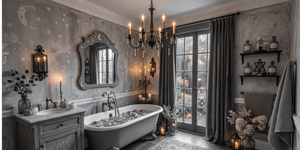
Warm lighting instantly transforms a living room into a space that feels more relaxed and welcoming. Instead of harsh brightness, it creates a soft glow that encourages people to sit back, unwind, and spend time together without feeling overstimulated.
- Inviting – The gentle tone makes the space feel more approachable and cozy.
- Comfortable – It reduces eye strain and creates a soothing environment.
- Social – Encourages conversation and connection.
Perfect for:
- Watching TV
- Relaxing
- Entertaining guests
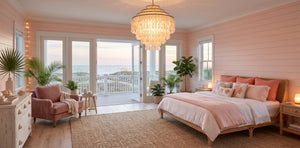
2. Bedrooms
Warm lighting plays a big role in preparing your body for rest. It mimics natural sunset light, helping regulate your sleep cycle and creating a calming environment.
- Better sleep
- Relaxation
- A calming environment
Cool lighting in bedrooms can feel too stimulating at night and make it harder to relax.
3. Dining Areas
Warm lighting enhances both the visual and emotional dining experience.
- Food appearance – Makes meals look more appetizing
- Ambiance – Creates a cozy, restaurant-like feel
- Intimacy – Encourages relaxed conversation
4. Accent Lighting
Warm tones are ideal for highlighting details without overpowering the space.
Use warm tones for:
- Wall sconces
- Table lamps
- Decorative lighting
Overall, warm lighting works best in spaces focused on comfort, relaxation, and atmosphere.
Design Advantages of Warm Lighting
- softens harsh finishes
- makes wood tones richer
- complements gold/brass fixtures
- creates a high-end, cozy feel
Downsides of Warm Lighting
- can feel too dim for tasks
- may make whites look slightly yellow
- not ideal for workspaces
- can feel outdated if overused everywhere
Cool Lighting: The Clarity Booster
What Cool Lighting Feels Like
- brightness
- alertness
- focus
It mimics daylight, which helps your brain stay active.
Where Cool Lighting Works Best
1. Kitchens
As documented in our last piece, cool or neutral lighting is essential in kitchens because it supports both safety and efficiency.
- Food prep – clearer visibility
- Cooking – better monitoring
- Cleaning – easier to spot dirt and spills
You want to clearly see:
- colors of food
- cleanliness
- details
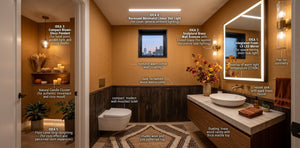
2. Bathrooms
Cool lighting provides clarity and accurate color rendering for grooming tasks.
- grooming
- shaving
- makeup application
3. Home Offices
Cool lighting improves productivity and focus.
- focus
- productivity
- alertness
4. Garages and Utility Spaces
Cool lighting improves safety and visibility.
- tools easier to see
- spaces feel brighter
- work safer
Design Advantages of Cool Lighting
- makes spaces feel larger
- enhances modern aesthetics
- highlights clean lines
- works well with white and gray interiors
Downsides of Cool Lighting
- can feel harsh or clinical
- not relaxing
- can make spaces feel cold
- less flattering for skin tones
Warm vs Cool Lighting in Modern Design
Modern interiors often blend both.
Modern homes rarely use:
- all warm lighting
- or all cool lighting
Instead, they use layered lighting.
The Best Approach: Layered Lighting
Layered lighting combines:
- ambient lighting (general)
- task lighting (functional)
- accent lighting (decorative)
And mixes color temperatures strategically.
Example: A Modern Kitchen
- Ceiling lights: neutral (3500K–4000K)
- Under-cabinet lights: cool (4000K+)
- Pendant lights: warm (2700K–3000K)
Result:
- functional workspace
- warm, inviting atmosphere
Example: A Modern Living Room
- Ceiling lights: warm or neutral
- Floor lamps: warm
- Accent lighting: warm
Result:
- cozy but still well-lit
How Lighting Affects Color and Materials
This is where things get interesting.
Warm Lighting:
- enhances wood tones
- softens whites
- makes beige and cream glow
Cool Lighting:
- sharpens whites
- enhances grays
- can make warm colors look dull
Example:
A white kitchen can look:
- warm and creamy under 2700K
- crisp and modern under 4000K
- sterile under 6000K
The Biggest Mistake Homeowners Make
Using one color temperature everywhere.
This leads to:
- flat design
- poor functionality
- inconsistent mood
Modern homes are about balance—not extremes.
Smart Lighting: The Best of Both Worlds
In 2026, smart lighting has transformed how we use light in the home. According to the U.S. Department of Energy, advanced lighting controls allow users to adjust light levels, set schedules, and control lighting remotely, making it easy to tailor lighting to your needs throughout the day.
Smart bulbs go even further. ENERGY STAR notes that connected lighting products let you control brightness, color, and timing through apps or voice commands—giving you full flexibility without changing fixtures.
With smart bulbs, you can:
- switch from warm to cool instantly
- adjust brightness
- set schedules
- match lighting to time of day
Example:
- Morning: cool light for energy
- Evening: warm light for relaxation
This gives you flexibility without compromise.
Warm vs Cool Lighting for Resale Value
If you’re thinking long-term:
Neutral lighting (3000K–4000K) is safest
- appeals to most buyers
- works in most spaces
- feels modern but not harsh
Warm lighting is still preferred in:
- bedrooms
- living rooms
Which One Looks More Expensive?
This depends on execution.
Warm lighting looks expensive when:
- layered properly
- paired with warm materials
- used in the right spaces
Cool lighting looks expensive when:
- used in modern, clean designs
- paired with minimal interiors
- not overly harsh
The key is balance—not temperature alone.
When to Choose Warm Lighting
Choose warm lighting if you:
- want a cozy home
- prioritize relaxation
- love traditional or transitional design
- use the space for unwinding
When to Choose Cool Lighting
Choose cool lighting if you:
- need productivity
- prefer modern, clean aesthetics
- want brighter visibility
- use the space for tasks
The Best Choice for Most Homes
For modern homes in 2026, the best answer is:
- Warm lighting for comfort zones
- Cool lighting for functional zones
- Neutral lighting to connect spaces
Quick Decision Checklist
Ask yourself:
- Is this space for relaxing or working?
- Do I want cozy or crisp?
- What materials dominate the room?
- How much natural light do I have?
- Do I want flexibility (smart lighting)?
Final Verdict
Warm lighting wins for:
- comfort
- ambiance
- relaxation
- timeless feel
Cool lighting wins for:
- function
- clarity
- productivity
- modern edge
The Real Winner?
Balanced lighting design.
The most beautiful modern homes don’t choose one—they use both intentionally.
Final Thought
Lighting isn’t just about seeing your space.
It’s about feeling it.
The right lighting makes your home:
- more comfortable
- more functional
- more beautiful
So don’t ask:
“Warm or cool?”
Ask:
“Where do I need each?”
Because when you get that right, everything else in your home looks better.
FAQs: Warm vs Cool Lighting — What’s Better for Modern Home Interiors?
1) Which is better for modern homes: warm or cool lighting?
The best approach is a mix. Warm vs cool lighting for modern home interiors depends on room function—warm lighting works best for relaxation areas like living rooms and bedrooms, while cool lighting is ideal for task-focused spaces like kitchens and home offices.
2) What color temperature is best for a modern living room?
For comfort and style, warm lighting (2700K–3000K) is typically preferred. It creates a cozy, inviting atmosphere while complementing furniture, textures, and décor.
3) Is cool lighting better for kitchens and bathrooms?
Yes. Cool or neutral lighting (3500K–5000K) provides better visibility for cooking, cleaning, grooming, and detailed tasks.
4) Can I mix warm and cool lighting in the same house?
Absolutely. A layered lighting design using both creates the best balance of comfort and functionality.
5) Does lighting color temperature affect home resale value?
Yes. Neutral to warm lighting tends to appeal to more buyers, while overly cool lighting can feel harsh or clinical.
Ready to Upgrade Your Lighting?
Upgrade your home with lighting that balances style, comfort, and efficiency.
Urban Ambiance offers luxury yet affordable lighting fixtures designed to complement both warm and cool lighting schemes in modern interiors.
✨ Discover Urban Ambiance lighting—where timeless design meets everyday affordability.
Engagement Question
When it comes to your home, do you prefer a warm, cozy glow or a bright, crisp modern feel?
If this guide helped you, share it with a friend who’s upgrading their home lighting—they might be debating the same thing right now.