Layered Lighting vs Single Source Lighting — Which Design Improves Your Home Value?
At first glance, a single ceiling light can seem like more than enough. It’s simple, affordable, easy to install, and it does exactly what it’s meant to do—illuminate a room so you can move around comfortably. For many homeowners, especially in basic setups or new builds, this feels like the most practical and straightforward solution.
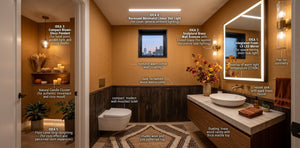
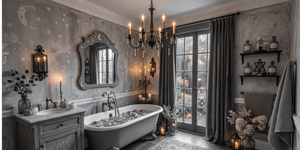
But the moment you step into a thoughtfully designed space that uses layered lighting, the difference becomes immediately noticeable—even if you can’t quite put your finger on why. The room feels warmer, more balanced, and more intentional. There’s a natural sense of depth, where light doesn’t come from just one source but is carefully distributed to highlight key areas, soften shadows, and create a more inviting atmosphere.
Instead of relying on a single overhead light that can feel harsh or flat, layered lighting introduces dimension and flow. It guides your eyes through the space, enhances architectural details, and adapts seamlessly to different moods and activities throughout the day—from bright and functional to soft and relaxing.
Lighting, in this sense, evolves from a basic necessity into a powerful design element—one that shapes how a space looks, feels, and functions.
In this guide, we’ll break down the true impact of both approaches—from design and functionality to cost and long-term value—so you can make a smarter, more informed investment for your home, not just for today, but for years to come.
First: What Is Single Source Lighting?
Single source lighting means:
- one main light fixture per room
- typically centered on the ceiling
- provides general illumination
Examples include:
- A single flush mount light – Typically placed in the center of the ceiling, this provides general illumination but often leaves corners dim and the room feeling flat. It’s functional, but lacks depth and visual interest.
- One ceiling fan with light – While practical for airflow and lighting, it still acts as a single source. The light is often diffused and limited in reach, which can result in uneven brightness across the space.
- One chandelier in the middle of the room – Even if it looks elegant, relying on just one statement fixture means the room depends entirely on that single point of light. Without support from other sources, it can create shadows and fail to fully highlight the space.
This is the most common setup in older homes and budget builds, where lighting is treated as a basic requirement rather than a design element. While it gets the job done, it often misses the opportunity to enhance the room’s atmosphere, functionality, and overall visual appeal.
What Is Layered Lighting?
As we discussed earlier, layered lighting uses multiple light sources working together to create depth, function, and ambiance within a space. Instead of relying on a single overhead fixture, it combines different types of lighting to make a room feel more complete, balanced, and visually interesting.
It typically includes three layers:
1. Ambient Lighting (General Light)
This is the main source of light in a room—the foundation that ensures overall visibility and comfort.
- Ceiling fixtures – Provide widespread illumination for everyday use.
- Recessed lights – Offer clean, even lighting without taking up visual space.
- Overall illumination – Sets the base brightness level for the entire room.
Ambient lighting ensures you can move around safely and comfortably, but on its own, it can feel flat if not supported by other layers.
2. Task Lighting (Functional Light)
Task lighting is more focused and designed to support specific activities that require clarity and precision.
- Under-cabinet lights – Illuminate countertops for cooking and prep work.
- Desk lamps – Provide direct light for reading, writing, or working.
- Vanity lights – Offer even lighting for grooming and personal care.
This layer reduces eye strain and improves functionality, making everyday tasks easier and more efficient.
3. Accent Lighting (Decorative Light)
Accent lighting adds personality and highlights the design features of your home. It’s what brings depth and visual interest into a space.
- Wall sconces – Add a soft glow and enhance wall textures.
- LED strips – Highlight architectural details or create ambient effects.
- Art lighting – Draw attention to artwork or focal points.
This layer transforms a room from simply “lit” to thoughtfully designed and visually engaging.
Instead of relying on one light, layered lighting combines multiple sources for a more balanced, flexible, and elevated design.
The Core Difference: Flat vs Dimensional Lighting
If you simplify everything:
- Single source lighting = flat and basic – One central light tends to create harsh shadows and uneven brightness, making the space feel one-dimensional and less refined.
- Layered lighting = dynamic and intentional – Multiple light sources create depth, soften shadows, and allow you to control how the space feels at different times of the day.
And this difference has a huge impact on how your home is perceived—not just visually, but emotionally.
First Impressions: What Buyers Notice Instantly
When someone walks into a home, they don’t consciously think:
“This house uses layered lighting.”
But they feel it immediately. Lighting shapes their first impression before they even process the layout or décor.
Single Source Lighting Feels:
- Flat – The space lacks depth and visual layering.
- Shadowy in corners – Uneven lighting creates dark spots that make rooms feel smaller.
- Less inviting – Harsh or insufficient lighting can feel cold or unwelcoming.
- More “builder-grade” – It gives off a basic, unfinished impression often associated with standard construction.
Layered Lighting Feels:
- Warm and welcoming – Multiple light sources create a softer, more inviting atmosphere.
- Balanced and bright – Light is distributed evenly, eliminating harsh contrasts and dark areas.
- Spacious and high-end – Proper lighting makes rooms feel larger and more open.
- Thoughtfully designed – It signals intention, care, and attention to detail in the overall design.
As suggested by the International Association of Lighting Designers, layering is a hallmark of well-planned interiors, where lighting is aligned with function, mood, and architecture. This approach helps spaces feel more welcoming, bright, spacious, and high-end, reinforcing a sense of thoughtful and cohesive design.


First Impression Winner:
Layered lighting
And first impressions aren’t just about aesthetics—they directly influence how people perceive the value of your home.
Visual Depth: Why Layered Lighting Looks More Expensive
Lighting affects how surfaces and textures appear.
Single Source Lighting
With one overhead light:
- shadows form in corners
- textures look flat
- depth is reduced
The room can feel:
- smaller
- less refined
- less intentional
Layered Lighting
With multiple light sources:
- shadows are minimized
- textures are highlighted
- depth is enhanced
The room feels:
- richer
- more dimensional
- professionally designed
Visual Impact Winner:
Layered lighting
It simply looks more expensive.
Functionality: Living in the Space
Single Source Lighting
Limitations include:
- uneven lighting
- dark corners
- poor task visibility
Example:
Cooking under one ceiling light often creates shadows.
Layered Lighting
Benefits include:
- targeted lighting for tasks
- adjustable brightness
- better usability
Example:
- under-cabinet lights for prep
- pendant lights for focus
- recessed lights for general use
Functionality Winner:
Layered lighting
It improves how you use your home every day.
Flexibility and Control
Single Source Lighting
- on/off only
- fixed brightness (unless dimmer added)
- limited adaptability
Single source lighting offers simple operation but limited flexibility. As explained by the U.S. Department of Energy, basic lighting systems typically rely on standard switches, meaning lights operate at full brightness unless additional controls are installed. This results in on-and-off functionality, fixed brightness, and less adaptability compared to more advanced lighting setups.
Layered Lighting
- multiple light levels
- adjustable mood
- dimming options
- customizable setups
As outlined in the American Lighting Association, layered lighting gives flexibility to change the mood and functionality of a room depending on the time of day or activity. By integrating different lighting types, this approach enhances both aesthetics and practicality, transforming a space into a more dynamic and comfortable environment.
You can:
- brighten for cleaning
- dim for relaxing
- highlight specific areas
Flexibility Winner:
Layered lighting
Room-by-Room Comparison
Living Room
Single Source:
- one overhead light
- shadows in corners
- limited ambiance
Layered:
- ceiling lights + lamps + accent lighting
- cozy, balanced feel
Winner: Layered
Kitchen
Single Source:
- uneven prep lighting
- shadows on countertops
Layered:
- recessed + under-cabinet + pendants
- bright, functional workspace
Winner: Layered
Bedroom
Single Source:
- harsh overhead light
- poor nighttime ambiance
Layered:
- bedside lamps + soft overhead lighting
- relaxing environment
Winner: Layered
Bathroom
Single Source:
- shadows on face
- poor grooming light
Layered:
- vanity lights + ceiling lights
- even illumination
Winner: Layered
Cost Comparison: Short-Term vs Long-Term
Single Source Lighting
- lower upfront cost
- fewer fixtures
- simple installation
Layered Lighting
- higher initial investment
- more fixtures and wiring
- more planning required
But Here’s the Key:
Layered lighting adds:
- perceived value
- design appeal
- functionality
Which can translate into:
- higher resale price
- faster selling time
Cost Verdict:
- Short-term → Single source
- Long-term value → Layered lighting
Energy Efficiency
Single Source Lighting
- often left on longer
- less efficient usage patterns
Layered Lighting
- allows selective lighting
- reduces unnecessary energy use
- pairs well with LED and smart systems
Energy Winner:
Layered lighting
Ceiling Height and Space Perception
Single Source Lighting
- emphasizes ceiling center
- can make space feel smaller
Layered Lighting
- spreads light evenly
- reduces visual compression
- makes rooms feel larger
Space Perception Winner:
Layered lighting
Home Value and Resale Appeal
This is where things matter most.
What Buyers Want in 2026
- well-lit spaces
- functional kitchens
- relaxing living areas
- modern design elements
Layered lighting delivers all of these.
Single Source Lighting Signals:
- outdated design
- basic construction
- minimal upgrades
Layered Lighting Signals:
- thoughtful design
- modern upgrades
- higher-end finishes
Home Value Winner:
Layered lighting
It consistently increases perceived value.
When Single Source Lighting Still Works
To be fair, single source lighting can still make sense in:
- small rooms
- closets
- utility spaces
- temporary living situations
- budget-focused projects
But for main living areas, it’s rarely the best long-term choice.
Common Mistakes Homeowners Make
1. Relying only on ceiling lights
Creates flat, harsh lighting.
2. Over-lighting with too many fixtures
Balance is key.
3. Ignoring dimmers
Dimmers are essential for layered lighting.
4. Mixing color temperatures poorly
Consistency matters.
5. Skipping task lighting
Function suffers without it.
The Best Approach: Smart Layered Lighting
In 2026, the best homes combine:
- layered lighting
- LED efficiency
- smart controls
This allows:
- automation
- mood adjustment
- energy savings
Quick Decision Guide
Choose Single Source Lighting if you:
- are on a tight budget
- need a quick solution
- are lighting small or secondary spaces
Choose Layered Lighting if you:
- want a high-end look
- plan to sell your home
- value functionality
- want flexible lighting
Final Verdict
Which design improves home value?
Layered lighting—by a wide margin.
Because it:
- enhances design
- improves functionality
- increases perceived luxury
- appeals to modern buyers
Single source lighting:
- works
- but feels basic
Layered lighting:
- transforms your space
- and adds real value
Final Thought
Lighting isn’t just about seeing your home.
It’s about how your home feels.
A well-lit home feels:
- bigger
- warmer
- more inviting
- more valuable
So if you’re deciding between layered lighting and a single ceiling fixture, remember:
One lights a room.
The other elevates it.
And in today’s market, that difference matters more than ever.
FAQs: Layered Lighting vs Single Source Lighting — Which Design Improves Your Home Value?
1) What is the difference between layered lighting and single source lighting in home design?
The main difference lies in depth and functionality. Layered lighting for modern home interiors combines ambient, task, and accent lighting to create a balanced and dynamic space, while single source lighting in residential design relies on one central fixture, often resulting in flat and uneven illumination.
2) Does layered lighting really increase home value?
Yes. Layered lighting design for home resale value enhances both functionality and visual appeal, making spaces feel more luxurious and well-designed—key factors that can attract buyers and justify a higher asking price.
3) Is layered lighting more expensive to install than single source lighting?
Initially, yes. A cost comparison of layered lighting vs single ceiling light setup shows layered lighting requires more fixtures and planning. However, the long-term value, improved usability, and design impact often outweigh the upfront cost.
4) Can I upgrade from single source lighting to layered lighting without a full renovation?
Absolutely. Many homeowners start with simple layered lighting upgrades for existing homes, such as adding floor lamps, wall sconces, or under-cabinet lighting, without needing major electrical work.
5) Which rooms benefit the most from layered lighting design?
As we covered in our last post, spaces like kitchens, living rooms, and bedrooms benefit the most. Layered lighting for kitchens and living rooms improves both task efficiency and ambiance, while layered lighting for bedroom comfort creates a more relaxing and versatile environment.
Ready to elevate your home with lighting that adds real value and style?
Urban Ambiance offers luxury yet affordable lighting fixtures perfect for creating a beautifully layered lighting design in any space.
✨ Discover Urban Ambiance lighting—where premium design meets practical affordability.
Do you currently rely on a single ceiling light, or have you upgraded to a layered lighting setup in your home?
If this guide helped you, send it to a friend planning a home upgrade—they might be missing one of the easiest ways to boost their home’s value!