Pendant Lights Over Kitchen Islands in West Coast Open-Concept Homes: What to Know Before You Install
As documented in our last piece, the kitchen has become the heart of the modern West Coast home. Whether you're in a contemporary Los Angeles condo, a Seattle craftsman renovation, a San Diego coastal retreat, or a modern farmhouse in Northern California wine country, the kitchen is no longer a closed-off workspace—it's part of a larger, open-concept living environment.
As open floor plans continue to dominate home design across the Western United States, one feature consistently serves as both a practical necessity and a design statement:
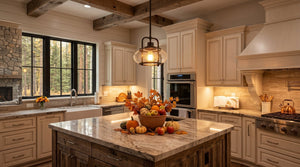
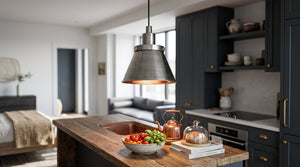
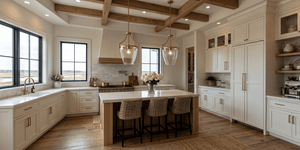
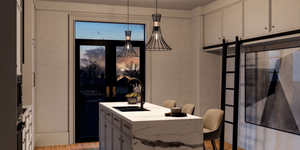
Pendant Lights Over the Kitchen Island
These fixtures do much more than provide illumination. They define spaces, establish style, improve functionality, and often become the visual centerpiece of the entire kitchen.
However, choosing pendant lighting isn't as simple as selecting a fixture you like online. Size, placement, ceiling height, island dimensions, lighting temperature, and regional design trends all play critical roles in achieving the right result.
“The right pendant lights don’t just brighten your kitchen—they define your island as the heart of an open-concept home. Thoughtfully chosen fixtures create a seamless connection between your cooking, dining, and living spaces while enhancing both style and functionality. ”
Why Pendant Lighting Has Become a West Coast Design Staple
The West Coast design aesthetic has evolved significantly over the past decade. As highlighted by Luxe Interiors, this evolution is being shaped by changing materials, emerging styles, and the creative influences that continue to define Southern California's design DNA.
Today's popular styles include:
- Organic Modern – Blends clean contemporary design with warm natural materials, soft textures, and earthy tones.
- Coastal Contemporary – Features airy spaces, light color palettes, and relaxed finishes inspired by coastal living.
- Warm Minimalism – Focuses on simplicity while incorporating warm colors, natural textures, and inviting elements.
- Modern Farmhouse – Combines rustic charm with modern finishes, creating a timeless and comfortable aesthetic.
- Japandi-inspired interiors – Merges Japanese minimalism and Scandinavian functionality for a calm, balanced, and uncluttered space.
- California Casual – Emphasizes effortless indoor-outdoor living with relaxed furnishings, natural light, and organic materials.
- Pacific Northwest Modern – Showcases wood, stone, and expansive windows that connect interiors with the surrounding landscape.
Despite their differences, these styles share several common characteristics:
- Open floor plans – Create seamless transitions between living, dining, and kitchen areas to encourage connection and flexibility.
- Natural materials – Incorporate wood, stone, linen, and other organic elements to add warmth and authenticity.
- Clean sightlines – Maintain an uncluttered layout that enhances openness and allows architectural features to stand out.
- Layered lighting – Combine ambient, task, and accent lighting to improve functionality while creating depth and atmosphere.
- Functional design – Prioritizes practical layouts and furnishings that support everyday living without sacrificing style.
As covered in a previous article, pendant lighting fits perfectly into these trends because it combines beauty and practicality.
Unlike recessed lighting, pendants create visual interest while helping define the kitchen zone within larger open-concept spaces.
In homes where the kitchen flows directly into dining and living areas, pendant lights provide structure without requiring walls.
The Role of Pendant Lights in Open-Concept Kitchens
One challenge of open-concept living is maintaining distinct zones without disrupting flow.
In a traditional home, walls separate:
- Kitchen – A dedicated space for meal preparation and cooking activities.
- Dining room – A designated area where family and guests gather to enjoy meals.
- Living room – A comfortable space intended for relaxation, entertainment, and socializing.
In an open-concept home, lighting often becomes the tool that defines these areas.
Pendant lights help:
- Anchor the kitchen island – They establish the island as the visual centerpiece of the kitchen.
- Create visual separation – They subtly distinguish the kitchen from adjacent living and dining spaces without using walls.
- Add vertical interest – They draw the eye upward, enhancing the room's scale and architectural appeal.
- Improve task lighting – They provide focused illumination for food preparation, cooking, and other everyday kitchen tasks.
Think of pendant lights as architectural elements rather than simple fixtures.
Why Kitchen Islands Matter More Than Ever
Across California, Washington, Oregon, Colorado, Nevada, and Arizona, kitchen islands have become central gathering spaces.
Today's islands serve multiple purposes:
- Food preparation – They provide a spacious and functional surface for cooking, baking, and meal prep.
- Casual dining – They offer a convenient spot for quick meals, coffee breaks, and everyday dining.
- Remote work – They serve as a comfortable workspace for checking emails, attending virtual meetings, or completing daily tasks.
- Homework stations – They give children and students a shared area to study while staying connected with family.
- Entertaining guests – They create a welcoming hub where guests can gather, chat, and socialize during meals or parties.
- Family gathering spots – They bring everyone together for conversations, shared activities, and quality time throughout the day.
Because islands perform so many functions, lighting needs to support each activity.
That's where properly selected pendant lighting becomes essential.
First Step: Measure Your Kitchen Island Correctly
As touched upon in our recent writing, one of the most common mistakes homeowners make is purchasing fixtures before measuring. Before selecting pendant lights, review this lighting technical details reference guide to better understand sizing, spacing, and installation considerations.
Before selecting pendant lights, determine:
Island Length
Common sizes include:
- 5 feet – Ideal for compact kitchens and typically accommodates one to two pendant lights.
- 6 feet – A versatile size that works well with two medium-sized pendants or three smaller fixtures.
- 7 feet – Provides enough length for multiple pendants while maintaining balanced spacing.
- 8 feet+ – Best suited for larger kitchens that can support three or more statement pendant lights.
- Oversized custom islands – Require a customized lighting plan to ensure even illumination and proper visual balance.
Island Width
Most islands range from:
- 36 inches – A standard width that fits comfortably in most kitchens and supports efficient task lighting.
- 42 inches – Offers additional workspace and allows for slightly larger or more decorative pendant fixtures.
- 48 inches – Provides a generous work surface, making it ideal for larger pendants that create a bold focal point.
These dimensions affect fixture size and spacing.
How Many Pendant Lights Should You Install?
This depends on your kitchen island's length.
5-Foot Island
Usually:
- 2 medium pendants – Provide balanced illumination without overcrowding the compact space.
6-Foot Island
Usually:
- 2 large pendants – Create a clean, symmetrical look while delivering ample task lighting.
- 3 smaller pendants – Offer more even light distribution and a modern, layered appearance.
7-Foot Island
Usually:
- 3 pendants – Achieve a well-proportioned layout that evenly lights the entire island.
8-Foot+ Island
Usually:
- 3 large pendants – Make a bold design statement while maintaining visual balance.
- 4 smaller pendants – Provide consistent lighting across extra-long islands without overwhelming the space.
The goal is visual balance rather than maximum brightness.


Bigger Isn't Always Better
Many homeowners assume oversized pendants automatically look luxurious.
In reality, fixtures that are too large can:
- Overwhelm the kitchen – Oversized fixtures can dominate the space and distract from the overall design.
- Block sightlines – Large pendants may obstruct views across an open-concept floor plan.
- Make ceilings feel lower – Bulky fixtures can visually compress the room and reduce its sense of openness.
- Compete with cabinetry – Oversized lighting can draw attention away from beautiful cabinets, countertops, and architectural details.
This is particularly important in:
- Condos – Smaller footprints benefit from lighting that feels light and proportionate.
- Apartments – Properly scaled fixtures help maximize openness in compact living spaces.
- Smaller open-concept homes – Right-sized pendants preserve the airy flow that defines open layouts.
West Coast design trends increasingly favor restraint over excess.
Ideal Pendant Height Above a Kitchen Island
Proper hanging height dramatically affects both appearance and functionality.
The general rule:
30–36 Inches Above the Countertop
This range works well for most kitchens.
Benefits include:
- Clear sightlines – Allows unobstructed views across the kitchen and adjoining living areas.
- Comfortable interaction – Makes it easy to converse with family and guests across the island.
- Effective task lighting – Directs light where it's needed most for cooking and meal preparation.
- Balanced proportions – Creates a harmonious relationship between the pendant lights, island, and ceiling height.
Ceiling Height Considerations
8-Foot Ceilings
Choose:
- Smaller pendants – Keep the space feeling open while providing adequate illumination.
- Slim silhouettes – Minimize visual bulk and maintain a clean, streamlined appearance.
- Minimal visual weight – Select simple designs that complement rather than dominate the room.
Avoid:
- Oversized fixtures – They can make the ceiling appear lower and the kitchen feel cramped.
- Long decorative chains – Excessive hanging hardware creates unnecessary visual clutter in lower-ceiling spaces.
9-Foot Ceilings
This is the most flexible option.
You can comfortably use:
- Medium pendants – Offer a balanced look suitable for most kitchen layouts.
- Large pendants – Create a stronger focal point without overwhelming the space.
- Sculptural fixtures – Introduce artistic character while maintaining proper scale and functionality.
10-Foot+ Ceilings
Excellent for:
- Statement pendants – Draw the eye upward and highlight the room's generous height.
- Multi-tier fixtures – Fill vertical space elegantly while adding depth and visual interest.
- Large-scale designs – Complement expansive kitchens with fixtures that match their proportions.
These options are especially popular in custom California homes and luxury mountain properties.
West Coast Pendant Lighting Trends for 2026
Design preferences vary across the country. The Western U.S. currently favors the following pendant lighting trends:
1. Organic Shapes
Fixtures featuring:
- Rounded forms – Soft silhouettes create a welcoming and timeless aesthetic that complements modern interiors.
- Soft curves – Gentle lines add warmth and visual flow to open-concept spaces.
- Handcrafted appearances – Artisan-inspired details bring character and authenticity to contemporary homes.
These designs are replacing rigid geometric fixtures with a softer, more natural look.
2. Natural Materials
Popular materials include:
- Rattan – Adds texture and a relaxed, coastal-inspired feel to the kitchen.
- Woven fibers – Introduce warmth and handcrafted charm while softening modern spaces.
- Wood accents – Bring natural beauty and complement a variety of interior styles.
- Stone details – Add subtle luxury and an organic, earthy element.
- Ceramic shades – Offer timeless appeal with handcrafted finishes and soft, diffused light.
These materials reflect the growing connection between indoor and outdoor living.
3. Textured Glass
Clear glass remains popular, but textured options are gaining attention:
- Ribbed glass – Creates visual depth while gently diffusing light.
- Seeded glass – Adds vintage-inspired character with tiny decorative air bubbles.
- Frosted textures – Soften glare and provide a warm, evenly distributed glow.
4. Warm Metals
Brushed finishes dominate.
Popular choices include:
- Brushed brass – Offers refined, understated elegance that pairs well with warm interiors.
- Aged brass – Provides a lived-in look that adds depth and timeless sophistication.
- Soft bronze – Introduces warmth and richness without appearing overly bold.
These finishes are replacing:
- Bright chrome – Its highly reflective finish is becoming less popular in residential spaces.
- Highly polished metals – Designers are favoring softer, muted finishes for a more natural aesthetic.
5. Oversized Single Pendants
Particularly popular in:
- Luxury coastal homes – Create a striking focal point while complementing expansive, light-filled interiors.
- Modern desert architecture – Enhance clean lines and minimalist spaces with bold, sculptural forms.
- High-ceiling spaces – Fill vertical space beautifully while maintaining balanced proportions.
Choosing the Right Finish
The finish should complement existing elements throughout your kitchen and home.
Matte Black
Best with:
- Modern Farmhouse – Adds bold contrast to warm wood and neutral color palettes.
- Industrial – Complements exposed materials such as metal, brick, and concrete.
- Contemporary homes – Reinforces clean lines and modern architectural details.
Popular throughout:
- Seattle – Favored for its sophisticated, understated aesthetic.
- Portland – Complements the region's blend of modern and natural design influences.
- Denver – Works well with both urban contemporary and mountain-inspired interiors.
Brushed Brass
Works beautifully with:
- Warm Minimalism – Enhances simple spaces with subtle warmth and elegance.
- Organic Modern – Complements natural textures and earthy finishes.
- California Casual – Adds an inviting touch to bright, relaxed interiors.
Brushed brass is especially popular throughout Southern California.
Bronze
Perfect for:
- Mountain homes – Complements natural wood and stone finishes commonly found in alpine architecture.
- Rustic Modern designs – Balances rugged materials with contemporary styling.
- Transitional interiors – Bridges classic and modern elements with timeless appeal.
Color Temperature Matters
Many homeowners focus on fixture appearance but overlook bulb selection.
Lighting temperature dramatically impacts a room's atmosphere.
Warm White (2700K–3000K)
Creates:
- Cozy ambiance – Produces a soft, inviting glow that makes the space feel comfortable.
- Welcoming environment – Encourages conversation and creates a relaxed atmosphere.
- Luxury feel – Enhances natural materials and gives the kitchen a warm, upscale appearance.
Best for most residential kitchens.
Neutral White (3500K–4000K)
Provides:
- Balanced brightness – Offers a comfortable level of illumination for everyday activities.
- Modern appearance – Delivers a crisp, clean look without feeling too cold.
- Better task visibility – Improves clarity for cooking, food preparation, and cleaning.
Neutral white lighting is especially popular in contemporary homes.
Cool White (5000K+)
Often feels:
- Clinical – Creates a sterile atmosphere more suited to commercial environments.
- Harsh – Produces a brighter light that may feel uncomfortable in living spaces.
- Commercial – Resembles the lighting commonly used in offices, hospitals, and retail settings.
Cool white lighting is rarely recommended for open-concept kitchens because it can diminish the warm, inviting atmosphere homeowners typically want.
Open-Concept Kitchens Need Layered Lighting
Pendant lights should never be your only light source.
Successful kitchens combine:
Ambient Lighting
Examples include:
- Recessed lights
- Ceiling-mounted fixtures
Task Lighting
Examples include:
- Pendant lights
- Under-cabinet lighting
Accent Lighting
Examples include:
- Toe-kick LEDs
- Cabinet lighting
- Decorative fixtures
This layered approach creates greater flexibility throughout the day while improving both functionality and atmosphere.
Common Mistakes West Coast Homeowners Make
Mistake #1: Choosing Style Over Function
Beautiful fixtures still need to provide adequate light.
Always verify:
- Lumens
- Shade design
- Bulb compatibility
Mistake #2: Hanging Pendants Too High
Installing pendant lights too high can make the island feel visually disconnected from the fixtures above it.
Mistake #3: Hanging Pendants Too Low
This can create:
- Visual obstruction
- Head-clearance issues
- Cluttered sightlines
Mistake #4: Ignoring Scale
Tiny pendants over a massive island can look insignificant, while oversized pendants above a small island may feel overwhelming.
Mistake #5: Using Cool Lighting in Warm Interiors
Warm woods and natural materials generally look best under warm lighting that enhances their color and texture.
Smart Pendant Lighting Is Growing Fast
Smart lighting adoption continues to increase across the Western U.S. Findings from Grand View Research show that the global smart lighting market is experiencing substantial growth, driven in part by consumers' increasing demand for connected lighting systems that can be controlled through smartphones, tablets, and other IoT-enabled devices.
Benefits of Smart Pendant Lighting
Benefits include:
- App control – Adjust your lighting from anywhere using a smartphone or tablet.
- Voice control – Operate your lights hands-free through smart assistants like Alexa or Google Assistant.
- Scheduling – Automate lighting to turn on or off at specific times of the day.
- Dimming – Easily adjust brightness levels to match different activities and moods.
- Adjustable color temperatures – Switch between warm and cool lighting to suit the time of day or desired ambiance.
Smart pendant lighting is particularly popular among homeowners in:
- California – Smart home technology is widely embraced in both new construction and remodels.
- Washington – Many homeowners integrate smart lighting to improve energy efficiency and convenience.
- Colorado – Connected home features continue to gain popularity in modern and custom-built residences.
Condo and Apartment Considerations
Urban living presents unique lighting challenges.
In cities like:
- Los Angeles – Condominiums often prioritize efficient layouts with compact kitchen spaces.
- San Francisco – Limited square footage makes properly scaled lighting especially important.
- Seattle – Contemporary condos frequently feature open layouts with moderate ceiling heights.
- Portland – Apartments often emphasize minimalist designs that benefit from light, airy fixtures.
Condo kitchens often feature:
- Lower ceilings – Require lighting that preserves the feeling of openness.
- Smaller islands – Benefit from appropriately sized fixtures that don't overwhelm the space.
- Limited natural light – Depend more heavily on well-planned artificial lighting throughout the day.
For these spaces, choose:
- Slim fixtures – Maintain a clean, uncluttered appearance while providing ample light.
- Open-frame designs – Allow light to flow freely and make the room feel larger.
- Glass shades – Maximize brightness and preserve the airy character of the kitchen.
Avoid:
- Heavy, bulky pendants – They can make compact kitchens feel crowded and visually heavy.
- Dark oversized fixtures – Large, dark designs may absorb light and overwhelm smaller spaces.
Maintaining visual openness is critical.
```Coastal vs. Mountain Home Lighting
Different West Coast regions often favor different lighting styles.
Coastal California Homes
Trending toward:
- Light woods – Enhance bright, breezy interiors with natural warmth.
- Warm brass – Adds subtle elegance without overpowering relaxed coastal spaces.
- Natural textures – Introduce organic materials that reflect the surrounding environment.
- Organic forms – Soft, flowing shapes complement the laid-back coastal aesthetic.
Pacific Northwest Homes
Trending toward:
- Matte black – As addressed in our prior post, this finish provides bold contrast while maintaining a modern, understated look.
- Dark bronze – Adds warmth and depth to earthy, nature-inspired interiors.
- Mixed materials – Blend wood, metal, glass, and stone for added visual interest.
- Modern Scandinavian influences – Favor clean lines, functional design, and minimalist styling with cozy accents.
Mountain West Homes
Popular choices include:
- Rustic bronze – Complements natural stone, reclaimed wood, and mountain-inspired architecture.
- Iron finishes – Add durability and timeless character to rustic-modern interiors.
- Large-scale fixtures – Balance the generous proportions of spacious mountain homes.
- Warm lighting temperatures – Create a cozy atmosphere that enhances comfort year-round.
Should Pendant Lights Match Other Fixtures?
Not necessarily.
Modern design often embraces mixed finishes.
For example:
- Brass pendants – Introduce warmth and serve as an eye-catching focal point above the island.
- Black cabinet hardware – Adds definition and contrast without competing with other finishes.
- Stainless appliances – Provide a neutral, contemporary element that pairs well with various metals.
These finishes can coexist beautifully when balanced correctly.
The key is intentionality.
The Return on Investment
Pendant lighting isn't just decorative.
Well-chosen fixtures can:
- Increase perceived home value – Stylish, high-quality lighting helps create a premium impression.
- Improve kitchen functionality – Proper illumination makes cooking, dining, and daily tasks more comfortable.
- Enhance listing photos – Attractive lighting helps kitchens stand out in real estate listings.
- Create stronger buyer appeal – A thoughtfully designed kitchen can leave a lasting impression on potential buyers.
In competitive West Coast housing markets, design details matter.
Buyers increasingly notice thoughtful lighting choices. As documented by the National Association of Realtors' Profile of Home Staging, lighting improvements are among the updates commonly recommended when preparing a home for sale, reflecting the role lighting plays in shaping buyer perception and overall appeal.
So…
Pendant lights remain one of the most impactful upgrades you can make to an open-concept kitchen.
But success comes down to more than selecting a trendy fixture.
Before installing pendant lights over your kitchen island, consider:
- Island dimensions
- Ceiling height
- Fixture scale
- Lighting temperature
- Regional design trends
- Overall kitchen style
For most West Coast homes, the best pendant lighting balances:
- Beauty
- Function
- Warmth
- Simplicity
When chosen correctly, pendant lights don't just illuminate your kitchen island—they define the entire space.
And in today's open-concept homes, that's exactly what great lighting should do.
FAQs: Pendant Lights Over Kitchen Islands in West Coast Open-Concept Homes — What to Know Before You Install
1) How many pendant lights should I install over a kitchen island in an open-concept home?
As touched upon in our recent writing, the ideal number depends on your island length. For most West Coast open-concept kitchen island lighting layouts, two pendant lights work well over a 5–6-foot island, while three pendants are typically recommended for islands 7 feet or longer to ensure balanced lighting and visual symmetry.
2) What size pendant lights are best for California-style open-concept kitchens?
The best pendant light size for kitchen islands in California open-concept homes depends on ceiling height and island dimensions. Larger coastal and suburban homes can accommodate oversized statement pendants, while condos and apartments benefit from slimmer fixtures that maintain an open, airy feel.
3) How high should pendant lights hang above a kitchen island?
For most kitchens, the recommended kitchen island pendant lighting installation height is 30–36 inches above the countertop. This height provides excellent task lighting while maintaining clear sightlines across the kitchen and living spaces.
4) What pendant light styles are trending in West Coast homes right now?
Popular West Coast kitchen pendant lighting trends include organic-modern fixtures, textured glass shades, warm brass finishes, natural materials, and sculptural pendant designs. These styles complement California Casual, Japandi, Coastal Contemporary, and Modern Farmhouse interiors.
5) Should pendant lights match cabinet hardware and kitchen fixtures?
Not necessarily. Many homeowners embrace mixed-metal kitchen lighting designs for open-concept homes, pairing brass pendants with matte black hardware or stainless appliances. The key is creating a cohesive design rather than matching every finish exactly.
Your kitchen island deserves lighting that is both functional and beautiful.
Urban Ambiance offers luxury yet affordable lighting fixtures designed to elevate modern West Coast homes. Whether you're searching for elegant pendant lights, statement island fixtures, or timeless designs that complement open-concept living, Urban Ambiance combines premium craftsmanship, sophisticated style, and exceptional value.
Explore Urban Ambiance's collection and discover the perfect pendant lighting solution for your kitchen transformation.
Are you planning to install two pendants, three pendants, or one oversized statement fixture over your kitchen island?
If this guide helped you choose the right pendant lighting, share it with friends, family, or fellow homeowners planning a kitchen renovation. Your share could help someone create their dream kitchen! 💡🏡✨
```