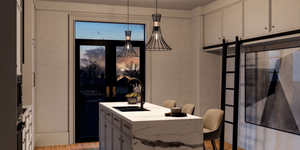
Dining Room Lighting Fixtures for Every Table Shape in Modern American Homes
The dining room has evolved dramatically over the past decade. In many modern American homes, it’s no longer a formal space reserved for holidays and special occasions. Today, dining rooms serve as gathering places for family dinners, remote work sessions, entertaining guests, game nights, and everything in between.
As dining spaces become more multifunctional, lighting has become one of the most important design elements in the room.
A well-chosen dining room light fixture does more than illuminate the table. It helps define the room, creates ambiance, enhances functionality, and often serves as the focal point of the entire space. As analyzed in a comprehensive review by Kong et al., lighting significantly influences subjective impressions and mood states, underscoring its role in shaping how interior spaces are perceived beyond basic illumination.
But here's where many homeowners make a mistake:
They choose a fixture based solely on style without considering the shape of their dining table.
The truth is that table shape significantly impacts which lighting fixture will look best and perform most effectively.
A fixture that looks perfect over a rectangular table may look awkward above a round table. Likewise, a chandelier designed for a square dining room may feel unbalanced over an oval dining table.
If you're updating your dining room, this guide will help you choose the ideal lighting fixture for every table shape commonly found in modern American homes.
Why Table Shape Matters When Choosing Dining Room Lighting
Dining room lighting should feel balanced. When a fixture is properly matched to the table beneath it, the entire room feels cohesive and intentional.
When the proportions are off, the room can feel:
“The best dining room lighting isn’t just about style—it’s about choosing a fixture that complements your table’s shape, balances the space, and brings people together.”
Unbalanced
A fixture that is too small, too wide, or the wrong shape can make the table look visually uneven. This can cause one side of the room to feel heavier or less finished than the other.
Crowded
Oversized lighting can overwhelm the dining table and make the room feel tighter than it really is. In smaller dining areas, a bulky fixture may also interrupt sightlines and make the space feel less comfortable.
Too Formal
A grand chandelier over a casual or compact dining table can make the space feel overly dressed up. Instead of feeling welcoming, the room may appear too rigid or disconnected from everyday use.
Too Sparse
A fixture that is too small or too simple can leave the dining area feeling unfinished. This is especially noticeable over large rectangular or oval tables where the light does not visually cover enough of the table’s length.
Visually Disconnected
When the fixture shape does not relate to the table shape, the design can feel random rather than intentional. For example, a tiny round pendant over a long rectangular table may look like it is floating without truly anchoring the dining area.
Findings from Analysis of Proportions between Interior and Furniture in a Residential Space indicate that changes in scale and proportion affect how interior spaces are perceived, influencing both aesthetic balance and overall spatial composition.
The fixture and table should work together as a single design composition.
Think of the light fixture as the visual anchor for the table.
The goal is to create harmony between:
- Table shape
- Fixture shape
- Ceiling height
- Room dimensions
- Overall design style
The Most Common Dining Table Shapes
Modern American homes typically feature one of five dining table shapes. Each shape influences how light is distributed across the surface and how the fixture contributes to the room's overall visual balance. Choosing a light that complements the table's form helps create a cohesive design that feels both functional and intentional.
Rectangular
The most popular option for family dining rooms and open-concept homes, rectangular tables offer generous seating and versatility. Their elongated shape benefits from fixtures that distribute light evenly across the entire tabletop.
Round
Round tables encourage face-to-face conversation and create an intimate dining experience. Their symmetrical design pairs naturally with centered lighting fixtures that reinforce their circular form.
Oval
Oval tables combine the spacious seating capacity of rectangular tables with the softer appearance of curved edges. Their flowing shape works well with elongated fixtures that maintain visual harmony without feeling overly rigid.
Square
Square tables create an equal seating arrangement, making them ideal for smaller families or compact dining rooms. Their balanced proportions are best complemented by centered fixtures that emphasize symmetry.
Live-Edge or Custom Organic Shapes
Live-edge and organically shaped tables showcase the natural beauty of wood and handcrafted design. Because no two tables are exactly alike, they often pair best with artistic fixtures that echo their unique character.
Each benefits from a different lighting strategy. Understanding how table shape influences fixture selection can help homeowners create dining spaces that are both beautiful and practical.
Lighting Fixtures for Rectangular Dining Tables
Rectangular tables remain the most common dining table shape in American homes. Their generous proportions make them ideal for family meals, entertaining guests, and holiday gatherings. Because they occupy more visual space, they also require lighting that feels equally substantial.
Popular sizes include:
60 Inches
Ideal for four to six people and well suited to smaller dining rooms. A medium-sized chandelier or two compact pendants usually provide sufficient illumination.
72 Inches
One of the most common sizes for family dining. It offers enough length to comfortably accommodate larger fixtures without overwhelming the space.
84 Inches
Frequently found in spacious dining rooms and open-concept homes. This size benefits from elongated lighting that distributes light evenly from end to end.
96 Inches
Perfect for entertaining large groups and hosting holiday dinners. Larger tables require statement fixtures that maintain visual proportion while adequately illuminating the entire surface.
These tables are especially common in:
- Suburban homes – Larger floor plans often allow for dedicated dining spaces where rectangular tables naturally fit. They also complement family-oriented layouts designed for entertaining.
- Open-concept layouts – Long dining tables help define the dining area within shared living spaces. Linear lighting reinforces this zoning effect without adding physical barriers.
- Modern farmhouse interiors – Rectangular wood tables have become a signature feature of the modern farmhouse aesthetic. Oversized chandeliers and mixed-material fixtures complement this style beautifully.
Best Fixture Types
Linear Chandeliers
Linear chandeliers are often considered the ideal match for rectangular tables. Their elongated design mirrors the table's shape, creating strong visual balance. They also provide consistent lighting across the full length of the dining surface.
Benefits include:
- Even light distribution – Light reaches the entire table rather than concentrating in the center. This creates a more comfortable dining experience for everyone seated.
- Strong visual balance – The fixture follows the proportions of the table, making the room feel cohesive. It also helps anchor the dining area within open floor plans.
- Modern appearance – Clean horizontal lines complement contemporary interiors. Many homeowners appreciate their sleek yet timeless aesthetic.
- Excellent scale – Linear fixtures naturally suit larger dining tables without appearing oversized. They create presence while maintaining proportional harmony.
Popular styles include:
- Linear LED fixtures – These offer a minimalist appearance with exceptional energy efficiency. Integrated LEDs also provide long-lasting performance with minimal maintenance.
- Modern farmhouse chandeliers – Combining rustic charm with clean contemporary lines, these fixtures remain one of America's most popular choices. Wood and black metal finishes are especially common.
- Mixed-material designs – Fixtures that combine wood, glass, brass, or steel add texture and visual interest. They work well in transitional interiors that blend traditional and modern influences.
- Minimalist metal frames – Open-frame fixtures keep the dining room feeling light and spacious. Their understated design complements a wide range of decorating styles.
Multiple Pendant Lights
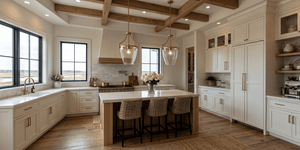
Three pendants aligned over a rectangular table can create a stunning contemporary look. This arrangement provides excellent task lighting while introducing rhythm and visual interest above the dining area.
This approach works particularly well in:
- Modern homes – Clean-lined pendants reinforce contemporary architecture. Their simplicity allows other design elements to stand out.
- Industrial interiors – Metal pendants and exposed hardware complement industrial-inspired materials like brick and concrete. They also create a striking focal point.
- Transitional spaces – Pendant groupings blend traditional and modern influences seamlessly. This versatility makes them suitable for many different home styles.
Long Multi-Light Fixtures
These provide:
- Balanced coverage – Multiple light sources ensure the entire tabletop is evenly illuminated. Guests can enjoy comfortable visibility regardless of where they're seated.
- Clean sightlines – Their elongated design follows the table without obstructing conversation. This creates an open and inviting dining experience.
- Strong visual impact – Large fixtures naturally become a design focal point. They add personality while helping define the dining area.
Especially popular in modern American dining rooms, these fixtures combine practicality with sophisticated design.
What to Avoid
Avoid small single chandeliers over large rectangular tables. The fixture often appears undersized and disconnected from the table below.
Instead, choose a fixture that visually spans a significant portion of the table's length. Proper scale creates a balanced composition that feels intentional rather than accidental.
Lighting Fixtures for Round Dining Tables
Round tables have become increasingly popular in modern homes, particularly as homeowners embrace more intimate and space-efficient dining layouts. Their curved shape naturally encourages conversation because everyone sits at an equal distance from one another, making them ideal for family meals and entertaining.
They're especially common in:
- Condos – Round tables maximize seating without taking up excessive floor space. Their lack of sharp corners also makes them easier to navigate in compact layouts.
- Apartments – Smaller dining areas benefit from the softer footprint of a round table. It helps maintain better traffic flow while still providing comfortable seating.
- Smaller dining rooms – A round table prevents the room from feeling crowded and creates a more open visual appearance. It also allows homeowners to add a statement light fixture without overwhelming the space.
- Breakfast areas – Breakfast nooks often feature round tables because they create a relaxed and casual dining environment. Their welcoming shape encourages lingering over coffee or casual family meals.
They encourage conversation and create a more intimate atmosphere. Without corners separating diners, everyone feels equally included, making round tables a favorite for both everyday dining and holiday gatherings.
Best Fixture Types
Single Chandelier
As highlighted in our recent article, chandeliers naturally mirror the shape of a round table. This creates one of the easiest and most visually pleasing combinations in dining room design.
Benefits include:
- Symmetry – A centered chandelier reinforces the circular layout of the table. This symmetry helps the room feel balanced and thoughtfully designed.
- Balance – Because the light radiates evenly around the table, every seat receives similar illumination. The result is a comfortable dining experience with minimal shadows.
- Visual harmony – Matching circular forms create a cohesive focal point that immediately draws the eye. This pairing feels intentional and timeless regardless of decorating style.
This is one of the easiest pairings in dining room design. Homeowners rarely have to worry about uneven proportions when the fixture and table naturally complement one another.
Globe Pendants
Large globe pendants work beautifully over round tables. Their simple shape echoes the table below while adding a contemporary touch.
Popular choices include:
- Frosted glass globes – Frosted glass softly diffuses light, reducing glare while creating a warm and welcoming atmosphere. They're especially popular in Scandinavian and modern interiors.
- Opal glass fixtures – Opal glass provides consistent, even illumination that flatters both the dining space and the people seated around it. Its timeless appearance blends well with traditional and contemporary styles.
- Sculptural modern designs – Artistic globe pendants add personality without overwhelming the room. Many feature oversized proportions that create a striking centerpiece.
Cluster Pendants
Cluster pendant arrangements create:
- Artistic impact – Multiple pendants introduce movement and visual interest above the table. They function as both lighting and decorative artwork.
- Layered lighting – Several light sources produce softer, more balanced illumination than a single bulb. This helps eliminate harsh shadows while creating depth.
- Contemporary appeal – Cluster pendants have become a favorite in modern and luxury interiors. Their sculptural quality adds sophistication without feeling overly formal.
Especially popular in urban condos and modern homes, cluster pendants allow homeowners to make a bold design statement while maintaining excellent functionality.
Why It Works
Round fixtures reinforce the circular geometry of the table, creating a balanced and inviting dining experience. Because the eye naturally follows repeating shapes, this pairing feels cohesive and visually satisfying from every angle.
Lighting Fixtures for Oval Dining Tables
Oval tables combine the conversational benefits of round tables with the seating capacity of rectangular designs. Their gently curved silhouette creates a softer look while still providing ample room for entertaining.
They're common in:
- Transitional homes – Oval tables blend traditional elegance with contemporary simplicity. Their versatile shape complements a wide variety of interior styles.
- Coastal interiors – The flowing curves of an oval table reflect the relaxed aesthetic commonly found in coastal homes. They pair beautifully with light woods and airy finishes.
- Traditional dining rooms – Oval tables have long been associated with formal dining spaces. Their graceful appearance adds sophistication without feeling overly rigid.
Best Fixture Types
Elongated Chandeliers
Oval tables often benefit from fixtures that follow their longer shape. Choosing an elongated light helps maintain visual proportion while ensuring even illumination across the table.
Options include:
- Linear chandeliers – These provide consistent lighting while complementing the table's overall dimensions. Their clean lines also work well in modern homes.
- Softly curved fixtures – Curved chandeliers echo the gentle edges of the table, creating a harmonious appearance. This combination softens the overall design of the room.
- Multi-light bars – Multiple light sources improve illumination across the full dining surface. They're particularly useful for larger oval tables used during holiday gatherings.
Two Matching Pendants
For larger oval tables, two pendant lights can provide:
- Balanced illumination – Splitting the lighting into two fixtures prevents dark spots across the table. Guests enjoy more consistent visibility regardless of seating position.
- Modern aesthetics – Matching pendants create symmetry while adding visual rhythm. This approach works particularly well in contemporary dining spaces.
- Better visual proportion – Two fixtures visually support the table's full length. They also prevent a single small pendant from appearing lost above the table.
Contemporary Sculptural Fixtures
Organic shapes complement oval tables particularly well. Their flowing forms reinforce the natural curves of the table while adding artistic character.
Popular trends include:
- Asymmetrical lighting – Slightly irregular forms create movement and modern appeal. These fixtures often become conversation pieces themselves.
- Artistic metalwork – Sculptural metal frames introduce texture and craftsmanship. They're especially popular in luxury and designer-inspired interiors.
- Soft curves – Rounded silhouettes maintain the gentle aesthetic of the dining space. They help the room feel relaxed rather than overly formal.


Design Tip
Avoid tiny fixtures centered on long oval tables. The fixture should visually support the table's full length rather than appearing isolated in the middle.
Choosing a properly scaled fixture helps create a balanced composition that feels intentional and professionally designed.
Lighting Fixtures for Square Dining Tables
Square tables are common in compact dining rooms and contemporary homes where symmetry plays an important role in the overall design. Because every side of the table is equal, lighting should reinforce that balance.
Square tables are common in:
- Smaller dining rooms – Their compact footprint makes efficient use of available space. They're ideal for four-person seating arrangements.
- Apartments – Square tables fit comfortably into breakfast areas and open living spaces. They provide flexibility without overwhelming the room.
- Contemporary homes – Their geometric appearance complements modern architecture and minimalist interiors. Clean lines make them easy to style with contemporary lighting.
Their symmetrical shape creates unique lighting opportunities. Centered fixtures naturally reinforce the balanced proportions of the table.
Best Fixture Types
Square Chandeliers
A square chandelier directly mirrors the table shape. This creates a clean, architectural look that feels organized and visually satisfying.
This creates:
- Strong symmetry – Matching shapes reinforce balance throughout the dining room. The eye immediately recognizes the intentional relationship between fixture and table.
- Modern appeal – Square chandeliers offer crisp geometry that complements contemporary interiors. Their clean lines create a sophisticated appearance.
- Architectural interest – Structured fixtures help define the dining area, especially in open-concept homes. They become an integral part of the room's design.
Drum Chandeliers
Drum-style fixtures work exceptionally well because they provide:
- Soft light diffusion – Fabric or frosted shades distribute light evenly throughout the room. This creates a warm and inviting atmosphere.
- Clean lines – Their simple cylindrical shape complements many decorating styles. Drum chandeliers remain timeless despite changing trends.
- Contemporary elegance – They provide visual softness while maintaining a polished appearance. This versatility makes them suitable for transitional interiors as well.
Single Statement Fixtures
A bold fixture can serve as a dramatic focal point over a square table.
Popular styles include:
- Geometric chandeliers – Angular designs emphasize the table's structured form. They work particularly well in modern homes.
- Lantern-inspired designs – Open-frame lanterns create visual interest without adding excessive visual weight. They're a popular choice for transitional and farmhouse interiors.
- Modern sculptural pieces – Artistic fixtures transform the dining room into a design showcase. They blend functionality with creative expression.
Why Symmetry Matters
Square tables thrive on balance. Centered lighting reinforces this structure and creates a polished appearance.
Centered lighting reinforces this structure and creates a polished appearance. According to research published in Frontiers in Psychology, symmetry is generally associated with aesthetic preference, offering scientific support for why balanced and centered design arrangements are often perceived as more visually appealing.
Lighting Fixtures for Live-Edge and Organic Dining Tables
One of the biggest design trends across America is the rise of natural wood and live-edge furniture. Homeowners are embracing handcrafted pieces that celebrate the beauty of natural materials rather than perfectly uniform designs. These statement tables often become the focal point of the dining room, making the lighting above them equally important.
These tables often feature:
- Irregular shapes – Unlike traditional rectangular or round tables, live-edge tables follow the natural contours of the tree from which they were crafted. Their unique silhouettes call for lighting that feels equally organic rather than overly rigid or symmetrical.
- Natural grain patterns – Rich wood grain adds warmth, texture, and character to the dining space. Warm lighting helps highlight these intricate details, allowing the craftsmanship of the table to become even more noticeable.
- Organic silhouettes – Soft curves and asymmetrical edges give each table its own personality. Pairing these natural forms with complementary fixtures creates a dining room that feels cohesive and thoughtfully designed.
Best Fixture Types
Organic Modern Chandeliers
Organic Modern lighting has become one of the fastest-growing trends in residential design. These fixtures blend natural inspiration with contemporary simplicity, making them an ideal companion for live-edge dining tables.
Fixtures featuring:
- Curved forms – Gentle curves soften the overall appearance of the dining room while echoing the flowing lines of the table. This creates a relaxed and harmonious visual connection between furniture and lighting.
- Natural materials – Materials such as wood, rattan, woven fibers, and hand-blown glass complement the authenticity of live-edge furniture. They reinforce a connection to nature while adding warmth to the space.
- Textured finishes – Hammered metals, matte finishes, and handcrafted details introduce subtle depth and character. These textures prevent the fixture from feeling too polished or manufactured.
These elements pair beautifully with organic tables because they share the same philosophy of embracing natural beauty and craftsmanship.
Mixed-Material Pendants
Mixed-material lighting continues to grow in popularity because it adds depth and visual interest without overwhelming the dining room. Combining contrasting materials creates a balanced design that feels modern while maintaining warmth.
Popular combinations include:
- Wood and metal – Natural wood softens the industrial feel of metal, resulting in a balanced fixture that works well in modern farmhouse, Scandinavian, and Organic Modern interiors.
- Glass and brass – The transparency of glass keeps the fixture visually light, while warm brass introduces elegance and sophistication. Together, they create timeless fixtures suitable for both traditional and contemporary homes.
- Stone and metal – Natural stone accents bring texture and permanence to a lighting design. Paired with sleek metal components, the result is a fixture that feels both luxurious and grounded.
Sculptural Lighting
Because live-edge tables are artistic, they often pair best with equally expressive lighting. Sculptural fixtures become works of art in their own right while complementing the handcrafted nature of the furniture below.
Rather than competing with the table, sculptural lighting should enhance its natural beauty through thoughtful scale, flowing forms, and complementary materials.
Popular Dining Room Lighting Styles in Modern American Homes
Regardless of table shape, several lighting styles are dominating current design trends. While personal taste always plays a role, these styles consistently appear in newly built homes, renovation projects, and professionally designed interiors across the United States.
Choosing a lighting style that complements both your dining table and your home's architecture helps create a timeless dining space that will remain appealing for years to come.
Organic Modern
Organic Modern has become one of America's fastest-growing interior design styles because it combines contemporary simplicity with natural warmth. It focuses on clean lines while celebrating authentic materials and handcrafted details.
Features:
- Warm brass – Warm brass finishes introduce richness without appearing overly ornate. They also reflect warm light beautifully, creating an inviting dining atmosphere.
- Natural textures – Wood, linen, stone, woven fibers, and ceramic details create depth throughout the room. These materials make the dining space feel relaxed and welcoming.
- Soft curves – Rounded fixtures help soften modern interiors dominated by straight architectural lines. Curved forms also create a more approachable and comfortable aesthetic.
- Handcrafted details – Artisan-inspired finishes and unique craftsmanship add personality to each fixture. These subtle imperfections make the lighting feel authentic rather than mass-produced.
One of the fastest-growing styles in America, Organic Modern blends luxury with comfort, making it ideal for today's casual yet sophisticated homes.
Modern Farmhouse
Modern Farmhouse remains a favorite among homeowners because it combines rustic warmth with clean contemporary design. It creates inviting dining spaces that feel timeless rather than trendy.
Combines:
- Black finishes – Matte black fixtures provide bold contrast while remaining versatile enough to pair with wood, stone, and neutral color palettes.
- Rustic elements – Weathered wood, iron details, and vintage-inspired materials add character without sacrificing modern functionality.
- Clean lines – Contemporary silhouettes prevent farmhouse lighting from feeling overly traditional. The result is a fresh interpretation of a classic style.
Popular in suburban homes, Modern Farmhouse continues to evolve with cleaner designs and higher-quality materials.
Coastal Contemporary
Inspired by relaxed seaside living, Coastal Contemporary emphasizes light, openness, and simplicity. This style is especially popular in homes that prioritize natural light and airy interiors.
Common in:
- California – Coastal California homes often feature open-concept dining spaces with light finishes and abundant natural sunlight.
- Florida – Beachfront and coastal communities embrace airy interiors that blur the line between indoor and outdoor living.
- Coastal communities – Homes near lakes, oceans, and waterfronts often favor relaxed, nature-inspired lighting choices.
Features:
- Glass – Glass shades help maximize available light while maintaining an open appearance.
- Light finishes – White, brushed nickel, soft brass, and natural wood create a bright and calming environment.
- Airy designs – Open-frame fixtures keep dining rooms feeling spacious and uncluttered.
Industrial Modern
Industrial Modern combines raw materials with refined design, creating lighting that feels both functional and stylish. Originally inspired by converted warehouses and lofts, it has become a mainstream choice for urban homes.
Includes:
- Matte black finishes – Matte black adds bold definition while remaining timeless and versatile.
- Exposed bulbs – Visible Edison-style or LED filament bulbs contribute to the industrial aesthetic while adding vintage charm.
- Metal frameworks – Steel and iron frames create architectural interest and complement modern interiors.
Especially popular in lofts and urban settings, Industrial Modern lighting offers strong visual impact with minimal ornamentation.
How High Should Dining Room Lighting Hang?
Proper height is essential. Even the most beautiful fixture can feel awkward if it's installed too high or too low.
Correct placement improves both the appearance and functionality of the dining room while maintaining comfortable sightlines across the table.
General Guideline
30–36 Inches Above the Table
This creates:
- Comfortable sightlines – Guests can easily see and converse with one another without the fixture blocking their view.
- Balanced proportions – The light feels visually connected to the table rather than floating near the ceiling.
- Effective illumination – Light reaches the tabletop where it's needed most without creating excessive glare.
Ceiling Height Adjustments
Not every dining room has the same ceiling height. Adjusting fixture size and hanging height accordingly helps maintain proper proportion.
8-Foot Ceilings
Choose:
- Compact chandeliers – Smaller fixtures prevent the room from feeling crowded while still providing a decorative focal point.
- Flush or semi-flush fixtures – These maximize headroom while offering adequate illumination.
Avoid oversized designs, as they can overwhelm lower ceilings and make the room feel cramped.
9-Foot Ceilings
Most versatile option.
Supports:
- Larger chandeliers – Additional ceiling height allows more decorative fixtures without compromising comfort.
- Multiple pendants – Pendant groupings become easier to proportion correctly over larger dining tables.
- Statement fixtures – Homeowners have greater flexibility when selecting bold, eye-catching designs.
10-Foot+ Ceilings
Ideal for:
- Dramatic chandeliers – Large-scale fixtures help fill vertical space while creating an impressive focal point.
- Multi-tier fixtures – Layered chandeliers emphasize ceiling height and add luxury.
- Oversized lighting – Generously scaled fixtures prevent tall rooms from feeling visually empty.
Choosing the Right Fixture Size
Selecting the proper fixture size is just as important as choosing the right style.
One common formula:
Add the room's length and width (in feet).
Example:
12-foot room + 14-foot room = 26
Choose a fixture approximately 26 inches wide.
This simple guideline helps homeowners achieve balanced scale while ensuring the fixture complements both the dining table and the room itself.
Lighting Temperature Matters
As we explored recently, choosing the right fixture is only part of creating a comfortable dining room—the color of the light is equally important. Light temperature influences how the room feels, how food appears, and even how long guests are likely to linger around the table. The wrong color temperature can make a beautifully designed dining room feel cold or clinical, while the right one enhances warmth and encourages conversation.
Modern American dining rooms increasingly favor warmer lighting because it creates a welcoming atmosphere that's ideal for both everyday meals and special occasions.
Warm White (2700K–3000K)
Warm white lighting remains the preferred choice for most dining rooms because it produces a soft golden glow that feels inviting and relaxing. It complements a wide range of interior styles, from traditional and farmhouse to contemporary and Organic Modern.
Benefits include:
- Comfortable ambiance – Warm white lighting creates a cozy environment that encourages people to relax and enjoy longer meals. It also softens the overall appearance of the room, making it feel more inviting.
- Better food appearance – Meals often look richer and more appetizing under warm lighting. Natural colors in fruits, vegetables, meats, and baked goods appear more vibrant and appealing.
- Inviting atmosphere – Warm lighting enhances wood furniture, brass finishes, candles, and seasonal décor. During holiday gatherings and family dinners, it helps create the comfortable atmosphere many homeowners want to achieve.
Perfect for dining spaces, warm white lighting balances functionality with comfort, making it suitable for everything from weekday dinners to festive celebrations.
Neutral White (3500K)
Neutral white lighting offers a brighter, crisper appearance without feeling as cool as daylight bulbs. It's a practical choice for homeowners who use their dining room for multiple activities beyond eating.
Provides:
- Contemporary appearance – Neutral white lighting creates a cleaner, more modern aesthetic. It pairs especially well with minimalist interiors and contemporary furnishings.
- Increased brightness – The brighter illumination improves visibility for reading, working, or completing household tasks. This makes it useful in dining areas that double as home offices or homework stations.
Useful in multifunctional dining rooms, neutral white lighting offers flexibility while maintaining a pleasant atmosphere.
Layering Dining Room Lighting
A single chandelier often isn't enough to create a well-balanced dining room. Professional designers frequently recommend layered lighting because it adds dimension, flexibility, and visual interest while allowing homeowners to adapt the space for different occasions.
Consider combining several types of lighting to create a more comfortable and functional environment.
Ambient Lighting
Ambient lighting provides the primary source of illumination for the room. It establishes the overall brightness level and serves as the foundation of the lighting plan.
- Chandelier – A chandelier acts as both the main light source and the visual centerpiece of the dining room. Properly scaled chandeliers anchor the dining table while setting the overall style of the space.
- Ceiling fixture – Flush mount or semi-flush fixtures provide excellent ambient lighting in rooms with lower ceilings. They distribute light evenly while maintaining a clean, unobtrusive appearance.
Accent Lighting
Accent lighting introduces depth and highlights architectural or decorative features throughout the room. It also reduces dependence on the overhead fixture alone.
- Wall sconces – Sconces create soft side lighting that makes the dining room feel warmer and more intimate. They also enhance artwork, mirrors, and nearby furniture.
- Cabinet lighting – Built-in cabinet or buffet lighting highlights decorative dishware, glassware, or collectibles. This subtle illumination adds sophistication while creating additional layers of light.
Decorative Lighting
Decorative lighting enhances the mood and atmosphere of the dining room, especially during holidays and special occasions.
- Candles – Candles introduce a gentle flickering glow that instantly creates warmth and intimacy. They remain a timeless addition to formal dinners and seasonal celebrations.
- Table lamps – Buffet or console table lamps add soft background lighting while making the room feel more welcoming. They also help balance the brightness of overhead fixtures.
Layered lighting creates depth and flexibility. Instead of relying on one bright fixture, homeowners can adjust different light sources to suit everyday meals, entertaining, or holiday gatherings.
Smart Lighting for Dining Rooms
As outlined in a previous discussion, modern homeowners increasingly choose smart lighting systems because they offer greater convenience and customization than traditional switches. Smart technology allows dining rooms to adapt effortlessly to different occasions with just a tap or voice command.
Benefits include:
- Dimming control – Easily adjust brightness throughout the evening without installing separate switches. Lower light levels help create a relaxed atmosphere for dinner parties and family meals.
- Voice activation – Smart assistants allow homeowners to control lighting hands-free. This is especially convenient when preparing food or entertaining guests.
- Scheduling – Automated schedules can turn lights on before dinner or gradually dim them later in the evening. This creates consistency while improving convenience.
- Mood customization – Many smart systems allow homeowners to save custom lighting scenes for different occasions. Whether hosting Thanksgiving or enjoying a quiet dinner for two, the perfect lighting is always available.
Perfect for:
- Entertaining – Instantly switch from bright preparation lighting to a softer dining atmosphere. Guests enjoy a more comfortable and inviting environment.
- Holiday gatherings – Smart lighting simplifies hosting by allowing homeowners to adjust the room throughout the event. Different scenes can be created for dinner, dessert, or after-dinner conversation.
- Everyday dining – Even weeknight family meals become more enjoyable with lighting that automatically adapts to the time of day and desired mood.
Common Dining Room Lighting Mistakes
Even beautiful fixtures can fall short if they're chosen or installed incorrectly. Avoiding these common mistakes helps create a dining room that feels balanced, functional, and visually appealing.
Choosing Fixtures That Are Too Small
Undersized fixtures often look disconnected from the table. They fail to provide adequate visual weight and may not distribute light evenly across the dining surface.
A properly scaled fixture should feel substantial enough to anchor the table while remaining proportional to the room.
Ignoring Table Shape
Shape should influence fixture selection. Matching the lighting fixture to the geometry of the table creates stronger visual harmony and improves the overall balance of the room.
For example, linear fixtures complement rectangular tables, while round chandeliers naturally pair with circular tables.
Hanging Fixtures Too High
Installing a chandelier too close to the ceiling creates a floating appearance. The fixture loses its connection to the dining table and feels disconnected from the room's focal point.
Maintaining the recommended hanging height helps the light feel integrated into the dining space.
Using Cool White Bulbs
Dining rooms benefit from warmer lighting. Cool white bulbs can make meals appear less appetizing and create a sterile atmosphere that's better suited to offices than family dining areas.
Warm white lighting encourages comfort, conversation, and relaxation.
Forgetting Dimmers
Dimmers provide flexibility for different occasions. Without them, homeowners are limited to a single brightness level that may feel too intense during intimate dinners or holiday gatherings.
Adding dimmers is one of the simplest and most cost-effective ways to improve the dining experience.
The Future of Dining Room Lighting
Dining room lighting continues to evolve alongside changing lifestyles and interior design preferences. Homeowners are increasingly looking for fixtures that combine beautiful aesthetics with practical functionality, creating spaces that feel both stylish and comfortable.
Current American design trends point toward:
- Organic shapes – Curved silhouettes and nature-inspired forms soften modern interiors. These fixtures help create a more relaxed and welcoming dining environment.
- Warm metals – Brass, bronze, and champagne finishes continue gaining popularity because they complement a wide variety of decorating styles while reflecting warm light beautifully.
- Textured glass – Ribbed, seeded, frosted, and handcrafted glass introduces depth while diffusing light more softly. These materials add visual interest without overwhelming the room.
- Layered lighting – Designers increasingly combine ambient, accent, and decorative lighting to create greater flexibility and atmosphere. Layering allows the dining room to adapt to everyday meals and special occasions alike.
- Smart controls – Technology is making dining room lighting more intuitive than ever. Voice control, automation, and customizable lighting scenes continue to become standard features in modern homes.
- Statement fixtures – Homeowners are embracing lighting as an artistic centerpiece rather than simply a functional necessity. Bold chandeliers and sculptural pendants are becoming defining features of dining room design.
The emphasis is shifting from purely decorative lighting to lighting that enhances lifestyle and functionality. As homes continue to serve multiple purposes—from entertaining guests to working remotely and spending more time with family—thoughtfully designed lighting will remain one of the most valuable investments homeowners can make.
Final Thoughts
Choosing the right dining room lighting fixture starts with understanding your table shape.
As a simple rule:
- Rectangular tables pair best with linear chandeliers or multiple pendants.
- Round tables work beautifully with single chandeliers or globe pendants.
- Oval tables benefit from elongated fixtures or paired pendants.
- Square tables shine with centered chandeliers and symmetrical designs.
- Organic tables pair best with sculptural and nature-inspired fixtures.
When fixture shape, table shape, and room style work together, the dining room feels balanced, inviting, and professionally designed.
And in today's modern American homes, that's exactly what great lighting should achieve.
FAQs: Dining Room Lighting Fixtures for Every Table Shape in Modern American Homes
1) What type of dining room light fixture works best over a rectangular table?
For most rectangular dining table lighting ideas in modern American homes, linear chandeliers and multi-light pendant fixtures are ideal. They distribute light evenly across the table's length while creating a balanced and visually cohesive dining space.
2) Should a round dining table have a round chandelier?
Yes. Round chandeliers for round dining tables help create symmetry and visual harmony. Globe pendants, drum chandeliers, and statement circular fixtures are popular choices because they complement the table's shape naturally.
3) How do I choose the right size dining room light fixture for my table?
A common guideline for choosing the right size chandelier for a dining room table is selecting a fixture that measures approximately one-half to two-thirds the width of the table. This helps ensure the fixture looks proportional without overwhelming the space.
4) How high should a dining room light fixture hang above the table?
The recommended dining room chandelier hanging height above a table is typically 30–36 inches from the tabletop to the bottom of the fixture. This height provides comfortable sightlines while creating a warm and inviting dining atmosphere.
5) What color temperature is best for dining room lighting?
Most designers recommend warm white dining room lighting between 2700K and 3000K. This lighting temperature enhances food presentation, encourages conversation, and creates a cozy environment for everyday meals and entertaining.
✨ Urban Ambiance offers luxury yet affordable lighting fixtures designed to complement every dining table shape and interior style. Whether you're searching for a stunning chandelier for a rectangular table, a modern pendant for a round dining space, or a statement fixture for an open-concept home, Urban Ambiance delivers exceptional craftsmanship, timeless design, and outstanding value.
Discover lighting that transforms your dining room into a space where family and friends love to gather.
What shape is your dining table—rectangular, round, oval, square, or live-edge?
If this guide helped you choose the perfect dining room lighting, share it with friends, family, or anyone planning a home update.